
Professional Outdoor Kitchen Installation in Mount Prospect, IL
Outdoor Kitchen Installation in Mount Prospect, IL
A&N Outdoor Services installs outdoor kitchens engineered for long-term performance in Illinois’s demanding climate. We build them on stable foundations, with proper utilities, ventilation, drainage, and heat-safe materials. The goal is simple: a space you can use daily without worrying about shifting surfaces, damage from storms, or seasonal maintenance headaches.
A functional outdoor space built with structure, precision, and materials that hold up to Illinois weather
A well-built outdoor kitchen changes the way you use your backyard. It turns the space into a place where people gather without needing to move in and out of the house. But a kitchen outside comes with challenges that don’t exist indoors—weather, drainage, gas lines, electrical routing, ventilation, countertop durability, foundation movement, and heat exposure. Most outdoor kitchens fail because they look finished on the surface but weren’t built on the right structure underneath. Countertops crack. Cabinets warp. Appliances shift. Water collects behind the island. The base sinks after one winter. These failures always trace back to poor planning or shortcuts in construction.
Testimonials
Client Success Stories
Trustindex verifies that the original source of the review is Google. We never had a bad experience yet. Alex and Nikko have been very responsive and very easy to deal with.Posted on GoogleTrustindex verifies that the original source of the review is Google. I am beyond satisfied with the service I received from A&N! Boy, they went above and beyond what I thought they were going to do! So thorough even though I had a ridiculous amount of leaves and weeds. It was really difficult with the wind today yet they went back and did everything to make it as clean as possible. I gladly recommend A&N and plan on retaining them in the spring for regular service. One very happy customer 😊Posted on GoogleTrustindex verifies that the original source of the review is Google. The A&N team was great to work with from quote to completion of the job. They did quality work at a very reasonable price. I’d recommend them to anyone.Posted on GoogleTrustindex verifies that the original source of the review is Google. We had A&N come by to do a fall cleanup. The crew that came by was very pleasant and did a great job.Posted on GoogleTrustindex verifies that the original source of the review is Google. Did a great job with our fall cleanup! Efficient and thorough. Will be using again!Posted on GoogleTrustindex verifies that the original source of the review is Google. Fantastic group. Made my house look fantastic. This is my second season with them working on my yard and it's never looked betterPosted on GoogleTrustindex verifies that the original source of the review is Google. Arturo and Jerry were just here cleaning up all the leaves from what must have been the whole neighborhood covering our lawn and driveway. They were so quick and awesome and really friendly too. The lawn looks great and I didn't have to spend 5-10 business days raking it myself. Scheduling was great, and cost was very reasonable. Really happy with their services. I highly recommend.Posted on GoogleTrustindex verifies that the original source of the review is Google. Service was absolutely amazing. Will definitely use these guys every year for my fall cleanup!Verified by TrustindexTrustindex verified badge is the Universal Symbol of Trust. Only the greatest companies can get the verified badge who has a review score above 4.5, based on customer reviews over the past 12 months. Read more
Outdoor kitchens behave differently in Illinois — the construction must match the climate
Mount Prospect sits in a region with four dominant environmental challenges:
1. Freeze–Thaw Movement
Soil expands in winter and contracts in spring. This movement can twist or lift a poorly built kitchen island, causing cracks in mortar, stone veneer, or countertops.
2. Moisture & Humidity
Rain cycles, humidity, and snowmelt push moisture into porous materials. You need surfaces that resist absorption and won’t deteriorate.
3. Wind Exposure
Open yards, corner lots, and patios without wind breaks place stress on tall features like pergolas or chimney-style structures.
4. Heat Concentration from Appliances
Grills, burners, smokers, and pizza ovens generate intense heat. Materials around them must be rated for thermal resistance.
These conditions shape how we design, anchor, and finish every outdoor kitchen.
Our Complete Outdoor Kitchen Installation Process
A disciplined approach that results in reliable, long-lasting structures.
1. On-Site Evaluation & Layout Planning
We begin by walking the property and studying:
- Patio size and structural readiness
- Drainage direction and low points
- Sun and shade patterns
- Wind exposure
- Soil type and compaction needs
- Access to existing utilities
- Distance from house and safety clearances
- Appliance selection and venting requirements
- Seating flow and traffic patterns
A kitchen should feel like part of the yard—not a bulky structure squeezed into open space.
2. Foundation & Base Construction
The base determines whether your outdoor kitchen stays level for years.
We evaluate whether the existing patio can support the installation. If not, we build a dedicated base using:
- Compacted stone foundation (CA6 / crushed limestone)
- Concrete footings for heavy islands or masonry structures
- Structural slabs where required
- Frost-protected anchoring methods
Nothing about an outdoor kitchen is “lightweight.” Every appliance, countertop, and cabinet adds load. We build the base to handle that load permanently.
3. Utility Planning: Gas, Electrical, Water
Outdoor kitchens require careful placement of utilities, including:
Gas Lines – For built-in grills, side burners, and heaters. We coordinate routing, shutoff placement, and code-approved fittings.
Electrical Lines – For refrigerators, lighting, outlets, pellet smokers, and built-in components.
Water & Drainage (Optional) – We install cold/warm water lines and drain systems for sinks when requested.
Every line is planned before construction begins so no part of the build needs to be opened or reworked later.
4. Structural Frame Construction
Depending on design and material type, we use:
- Concrete block (CMU) for full masonry kitchens
- Steel or aluminum framing for lighter modular systems
- Pressure-treated lumber (non-load areas only)
- Permeable or solid-footprint bases depending on drainage needs
CMU block is the most durable option in Illinois because it resists moisture, insects, warping, and temperature swings.
5. Appliance Integration
We install and set:
- Built-in grills
- Side burners
- Smokers
- Outdoor refrigerators
- Ice makers
- Wine coolers
- Warming drawers
- Trash pullouts
- Storage cabinets
- Pizza ovens
- Vent hoods and exhaust systems
Every appliance is placed at proper clearances with fire-rated insulation and ventilation spacing.
6. Countertops Built for Outdoor Use
Outdoor countertops must survive UV exposure, temperature swings, and moisture.
We install:
- Granite
- Porcelain countertops
- Concrete countertops
- Outdoor-rated quartz options (specific brands only)
Countertops are reinforced, leveled, and anchored to prevent shifting during freeze–thaw cycles.
7. Stone Veneer & Finishing Work
We finish surfaces with:
- Natural stone veneer
- Manufactured stone
- Brick
- Stucco
- Decorative concrete
- Paver-style facings
- Low-maintenance composite panels
These materials hold up to heat and weather better than typical indoor finishes.
8. Backsplashes, Bar Tops & Seating Areas
We integrate:
- Raised bar counters
- Seating walls
- Pergolas
- Privacy screens
- Patio extensions
- Lighting under counters
- Step transitions and walkways
The goal is to create a space that feels cohesive—functional for cooking, comfortable for guests, and clean in layout.
9. Drainage & Water Management
Outdoor kitchens cannot trap water. We address:
- Surface runoff routing
- Integrated drip edges
- Patio slope correction
- Waterproofing membranes
- Vapor barriers behind veneers
- Weep systems for masonry
- Downspout relocation if needed
Drainage failures ruin outdoor kitchens faster than any other mistake. We eliminate the risk early.
10. Final Testing & Walkthrough
We test:
- Gas flow & shutoff function
- Electrical outlet operation
- Appliance ignition and calibration
- Lighting patterns
- Water line pressure and drainage (if installed)
Once everything works, we walk through the entire system and explain how every part functions.
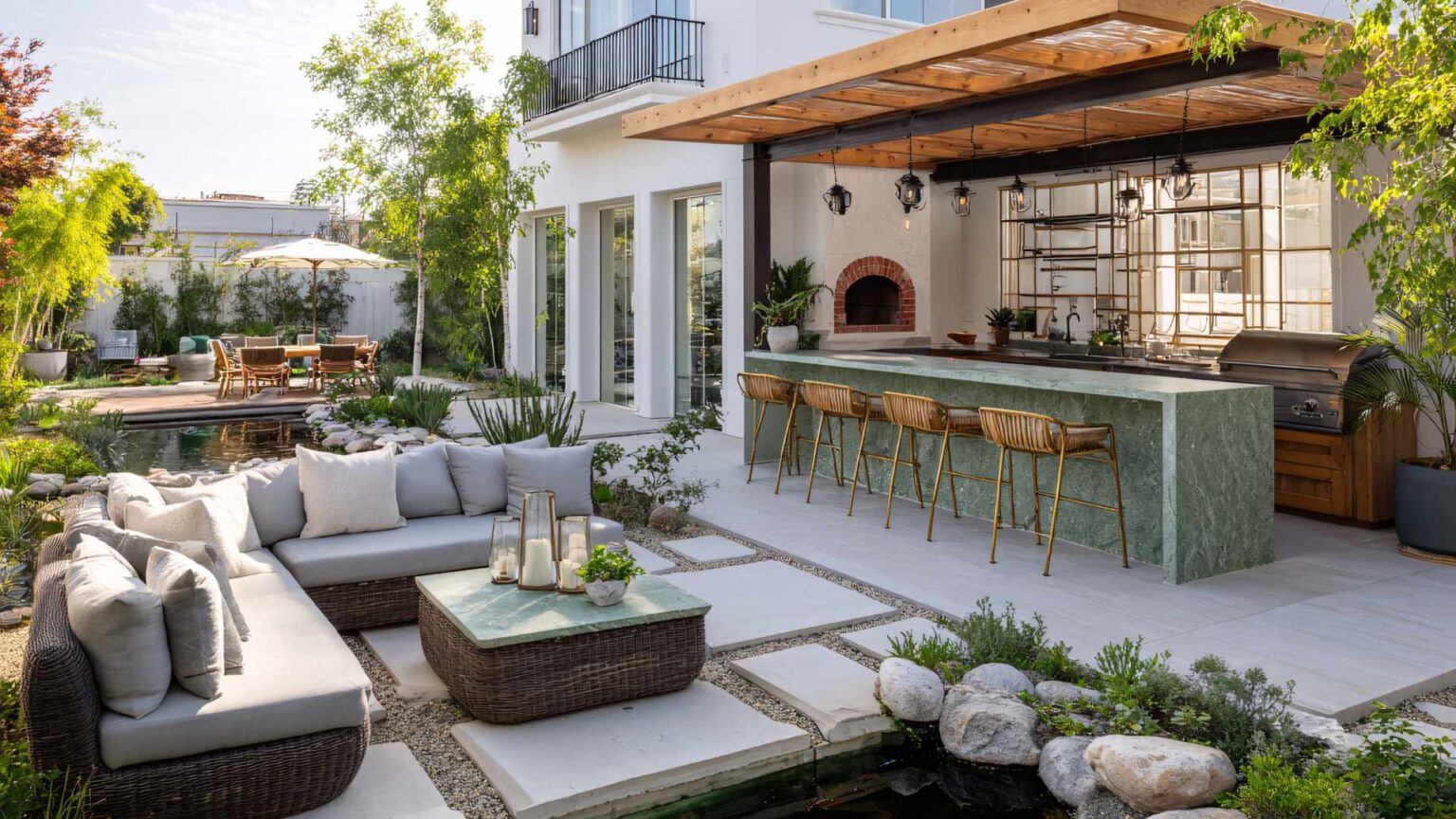
Outdoor Kitchen Layouts We Build
- Straight-Line Kitchens – Clean and efficient for smaller patios.
- L-Shaped Outdoor Kitchens – Common for grilling zones and prep areas.
- U-Shaped Kitchens with Bar Seating – Ideal for entertaining larger groups.
- Island-Style Kitchens – Standalone cooking stations with integrated appliances.
- Outdoor Kitchens with Pergolas – Protection from sun while keeping open-air ventilation.
- Outdoor Kitchens with Fire Features – Grill zones paired with fire pits or fireplaces.
- Kitchens Integrated Into Retaining Walls – Useful for yards with grade changes.
Each layout is engineered to fit the space, utilities, and how you plan to use the yard.
Materials That Survive Illinois Weather
Outdoor kitchens face more stress than any indoor structure.
We use materials that resist:
- Moisture
- Temperature swings
- UV light
- Freeze expansion
- Rust and corrosion
- Grease and smoke exposure
Proven materials include:
- Granite
- Porcelain slabs
- Concrete block frames
- Steel framing
- Outdoor-rated cabinets
- Masonry veneers
- Cast concrete counters
- Polymer-based composite doors
Choosing the right material early prevents long-term failure.
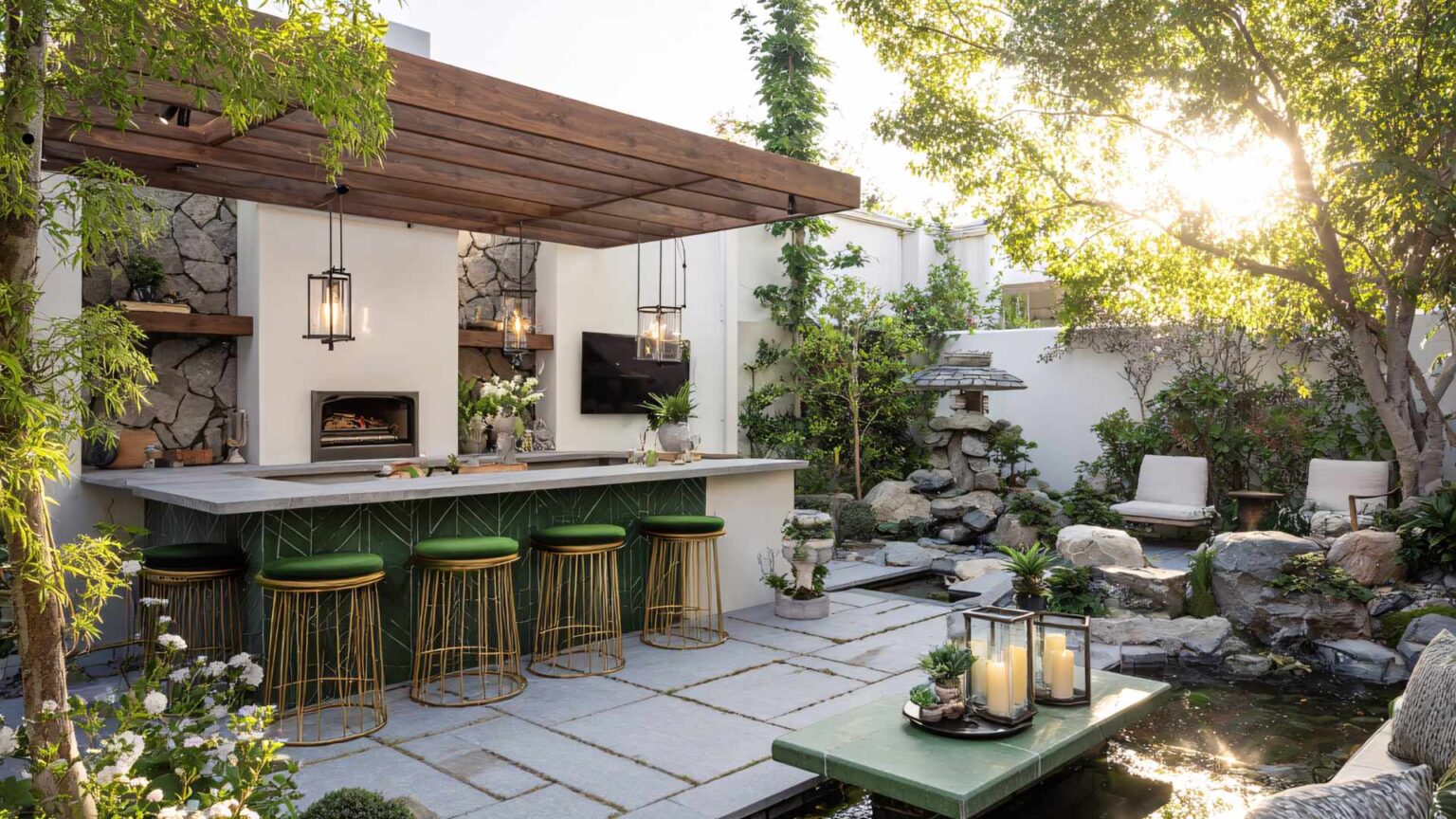
Serving Mount Prospect and the Northwest Suburbs
We install paver patios in:
- Mount Prospect
- Arlington Heights
- Des Plaines
- Elk Grove Village
- Glenview
- Rolling Meadows
- Wheeling
- Northwest Chicagoland neighborhoods
Each area has different soil, drainage, and shade patterns. Our designs adapt to those differences.
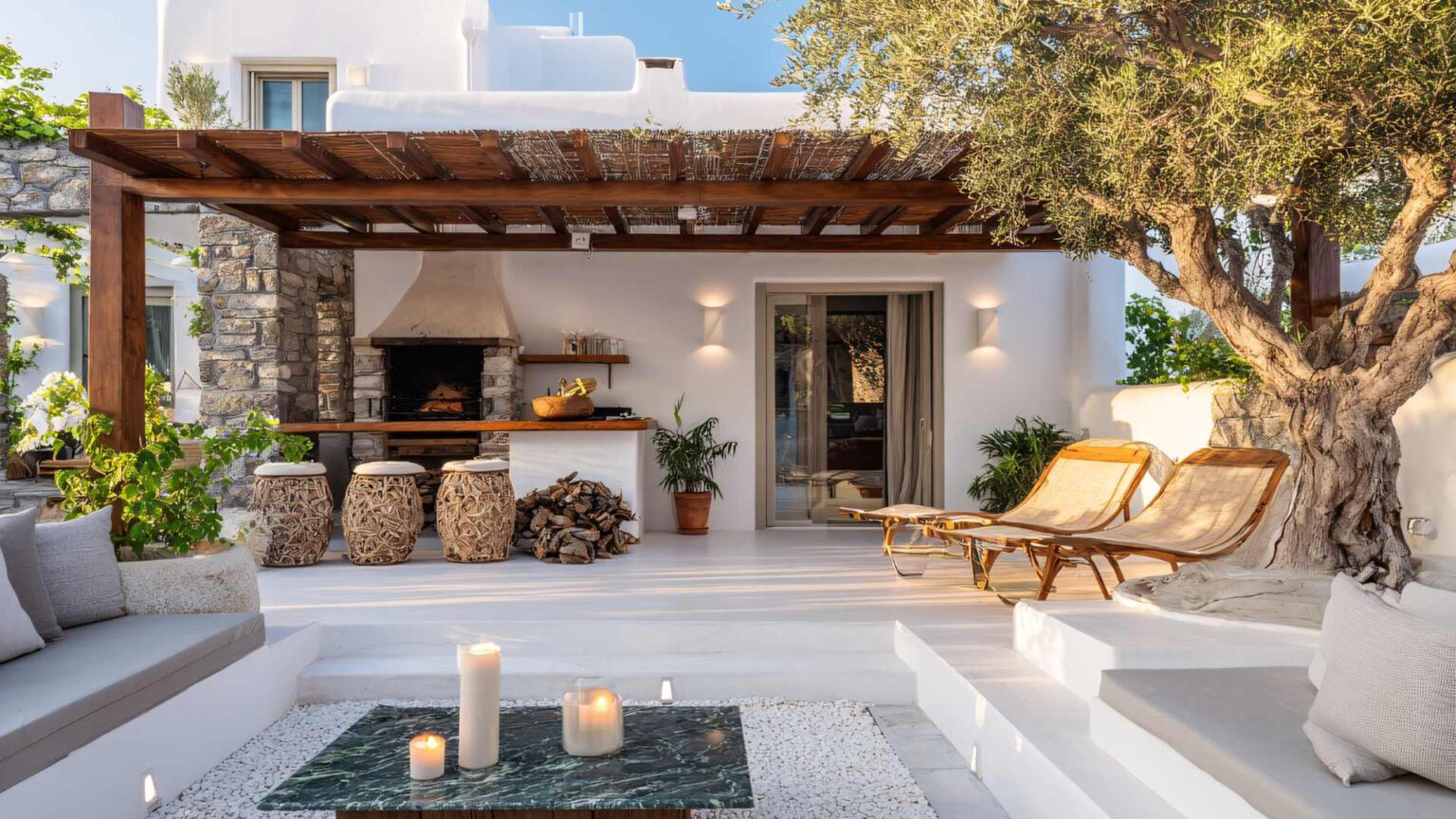
Why an Outdoor Kitchen Adds Real Value
A well-built outdoor kitchen isn’t just a luxury—it changes how you use your yard.
You gain:
- A clean, stable cooking area
- More space for gatherings
- A focal point for outdoor living
- Higher property appeal
- Lower indoor kitchen stress during large events
And because we build on solid foundations with long-lived materials, the structure stays functional for years without major repairs.
Outdoor Kitchen Failure Points (and how we prevent them)
Most companies fail at one of these:
- Poor base construction
- Incorrect ventilation
- Countertop cracking
- Water pooling behind the structure
- Veneer detaching from freeze–thaw cycles
- Low-quality cabinets
- Incorrect appliance spacing
- Gas or electrical code violations
- Drainage misalignment
- Using indoor materials outside
We solve these through structured planning and material selection—not guesswork.
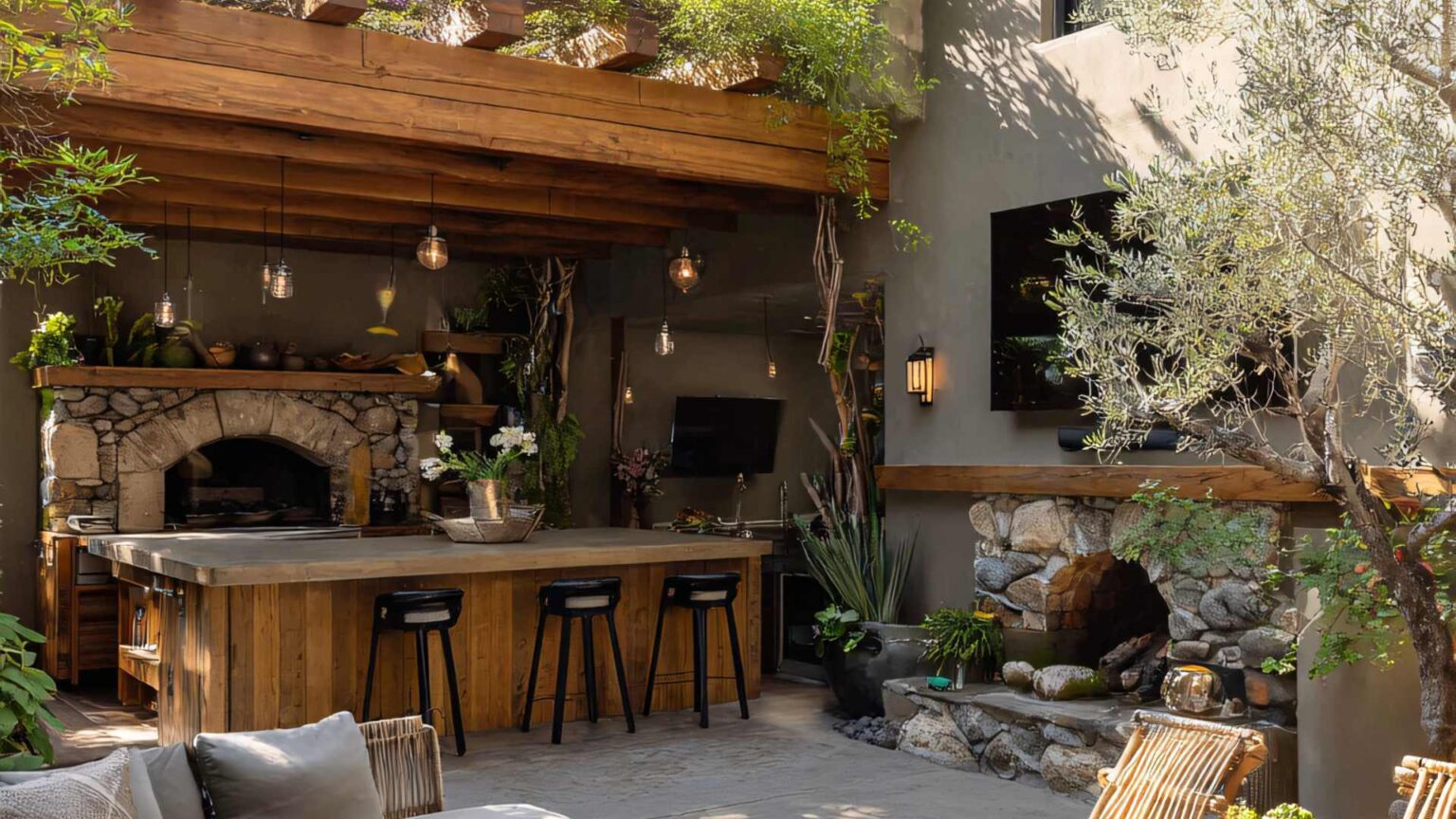
Ready to Build a Functional Outdoor Kitchen?
Your backyard can become the most used room of your home—without walls.
A&N Outdoor Services installs outdoor kitchens built on stable foundations, proper utilities, and materials selected for Illinois weather.
If you’ve been thinking about adding one, tell us how you want the space to function. We’ll look at your yard, plan the design, and build something you’ll use every week.
Request a Quote
Just a few details are enough to begin.


