
Professional Walkway Installation in Mount Prospect, IL
Walkway Installation in Mount Prospect, IL
A&N Outdoor Services installs walkways built on the same engineering principles as our patios and driveways: deep bases, layered compaction, proper slope, strong edges, and paver systems that resist movement through freeze–thaw cycles.
A clean, durable path engineered for stability, proper drainage, and year-round use
A walkway seems simple—straightforward, small, low to the ground. But walkways fail more often than patios or driveways because most installers treat them casually. They dig shallow. They skip proper compaction. They ignore drainage and soil conditions. In Mount Prospect, where clay soil swells when wet and shrinks when dry, these shortcuts show quickly. Walkways settle. Stones shift. Edges drift outward. Water pools across the surface. We build walkways that stay level, look clean, and guide you through the yard without dips, cracks, or shifting stones.
Testimonials
Client Success Stories
Trustindex verifies that the original source of the review is Google. We never had a bad experience yet. Alex and Nikko have been very responsive and very easy to deal with.Posted on GoogleTrustindex verifies that the original source of the review is Google. I am beyond satisfied with the service I received from A&N! Boy, they went above and beyond what I thought they were going to do! So thorough even though I had a ridiculous amount of leaves and weeds. It was really difficult with the wind today yet they went back and did everything to make it as clean as possible. I gladly recommend A&N and plan on retaining them in the spring for regular service. One very happy customer 😊Posted on GoogleTrustindex verifies that the original source of the review is Google. The A&N team was great to work with from quote to completion of the job. They did quality work at a very reasonable price. I’d recommend them to anyone.Posted on GoogleTrustindex verifies that the original source of the review is Google. We had A&N come by to do a fall cleanup. The crew that came by was very pleasant and did a great job.Posted on GoogleTrustindex verifies that the original source of the review is Google. Did a great job with our fall cleanup! Efficient and thorough. Will be using again!Posted on GoogleTrustindex verifies that the original source of the review is Google. Fantastic group. Made my house look fantastic. This is my second season with them working on my yard and it's never looked betterPosted on GoogleTrustindex verifies that the original source of the review is Google. Arturo and Jerry were just here cleaning up all the leaves from what must have been the whole neighborhood covering our lawn and driveway. They were so quick and awesome and really friendly too. The lawn looks great and I didn't have to spend 5-10 business days raking it myself. Scheduling was great, and cost was very reasonable. Really happy with their services. I highly recommend.Posted on GoogleTrustindex verifies that the original source of the review is Google. Service was absolutely amazing. Will definitely use these guys every year for my fall cleanup!Verified by TrustindexTrustindex verified badge is the Universal Symbol of Trust. Only the greatest companies can get the verified badge who has a review score above 4.5, based on customer reviews over the past 12 months. Read more
Walkways behave differently in Illinois — they must be built around climate and soil
Mount Prospect’s environmental conditions shape how a walkway performs:
1. Clay-heavy soil creates expansion and contraction
If the base is shallow, the walkway moves with the soil.
2. Freeze–thaw cycles push and lift stones
A walkway must sit below frost movement and be compacted tightly.
3. Heavy spring rains saturate topsoil
Improper grading causes standing water and slippery surfaces.
4. Tree roots push upward
Walkways near older trees must be designed with root patterns in mind.
5. Snow shovels and ice melt wear surfaces down
Pavers hold up far better than poured concrete.
A walkway built without these considerations becomes uneven within a season. We eliminate those issues from the start.
Our Walkway Installation Process
Built with the same care and depth used in high-performance hardscapes.
On-Site Evaluation & Layout Planning
We walk the yard and note:
- Existing lawn grade and slope direction
- Areas where water collects
- Soil composition and compaction needs
- Sun/shade balance that affects frost movement
- How the walkway connects to patios, driveways, or entrances
- Step transitions and elevation differences
- Root systems near trees or shrubs
- Traffic patterns (front entry, side yard, backyard access)
A walkway should feel intuitive—it guides movement naturally without forcing awkward turns or transitions.
2. Excavation to Proper Depth
Most DIY or low-cost walkways fail because the installer dug only a few inches.
We excavate:
- 6–8 inches for standard foot traffic
- 8–10 inches for long walkways or areas with heavy freeze–thaw movement
- 10–12 inches for clay-heavy soil or sloped yards
- We remove sod, roots, and all soft material.
A walkway must be built on a stable, compactable subgrade.
3. Base Construction: The Foundation of a Long-Lasting Walkway
We install a compacted base layer using angular crushed stone (CA-6 limestone).
- Base thickness (compacted):
- Standard: 4–6 inches
- High-movement soil: 6–8 inches
Why this matters:
- Pavers sit on the base—not the soil.
- If the base shifts, the walkway shifts.
- Layered compaction
- We compact in thin layers to prevent:
- Settling
- Surface waves
- Rock displacement
- Frost heaving
Mount Prospect’s clay requires stricter compaction than sandy soil regions.
We take time here to avoid every common walkway failure.
4. Geogrid or Geotextile (Used where needed)
In problem areas or clay pockets, we add:
- Geotextile fabric to prevent mixing of soil and base
- Geogrid reinforcement for sloped walkways or curved paths
- This increases long-term stability and edge strength.
5. Creating the Correct Slope
Walkways must shed water without feeling slanted.
We grade the surface at:
- 1/8 inch per foot
- Gentle enough to walk comfortably
- Strong enough to move water off the surface
Slope direction depends on:
- Adjacent structures
- Drainage channels
- Patio or driveway tie-ins
- Landscaping layout
Walkways that pool water become slippery and degrade fast.
We prevent that with controlled slope design.
6. Bedding Layer Installation
We add a 1-inch bedding layer of angular leveling sand (ASTM C33).
This:
- Supports the pavers
- Creates a smooth surface
- Helps lock the interlocking system together
- Prevents rocking or hollow spots
- We screed the layer precisely and avoid disturbing it before laying pavers.
7. Paver or Stone Installation
We install walkway surfaces using:
- Concrete Interlocking Pavers
- Most durable, strongest against freeze–thaw cycles.
- Brick Pavers
- Historic and warm aesthetic.
- Natural Stone (slate, bluestone, flagstone)
- Premium look with strong visual texture.
- Permeable Pavers
- Ideal for yards with drainage challenges.
- Modern Linear Pavers
- Clean lines, contemporary feel.
- Each material responds differently to weather, foot traffic, and edging requirements—we choose based on your yard and design.
Patterns chosen for walkway strength:
- Running bond (most common)
- Herringbone for curved paths or increased stability
- Randomized flagstone for natural flow
- Hopscotch or modular blends for modern designs
- Walkways are narrow surfaces—clean pattern alignment matters.
8. Cutting, Fitting & Edge Restraints
Edges matter more on walkways than on patios.
They experience side pressure, erosion, and shifting from lawn equipment.
We use:
- Driveway-grade paver edging
- Hidden aluminum restraints
- Concrete bond beams when required
- Paver borders (“soldier course”)
- Natural stone edging blocks
A walkway without strong edges spreads outward over time.
We prevent that completely.
9. Polymeric Sand Jointing
We sweep polymeric sand into joints to:
- Lock the system together
- Prevent weed growth
- Reduce ant tunneling
- Limit washout
- Support freeze–thaw resistance
We activate it with water and compact the walkway again for full interlock strength.
10. Final Compaction & Finishing
We compact the entire walkway surface with protective pads to avoid paver scuffing.
This final step:
- Levels the surface
- Sets joint sand deeply
- Strengthens interlock
- Stabilizes edges
- Prepares the walkway for year-round use
Once compacted, the walkway becomes a single unified surface.
Types of Walkways We Install
Front Entry Walkways
Clean, welcoming, structured for curb appeal.
Side Yard Access Paths
Built to handle shade, roots, and narrow spaces.
Backyard Garden Walkways
Winding, natural, integrated with landscaping.
Patio-to-Driveway Connectors
Smooth transitions for regular foot traffic.
Permeable Walkways
For yards with drainage concerns or low spots.
Stepped Walkways (grade transitions)
Safe, level steps built into slopes or elevation changes.
Walkways with Lighting Integration
Path lights, recessed paver lights, and under-cap lighting.
Each walkway matches the home’s architecture and the yard’s natural layout.
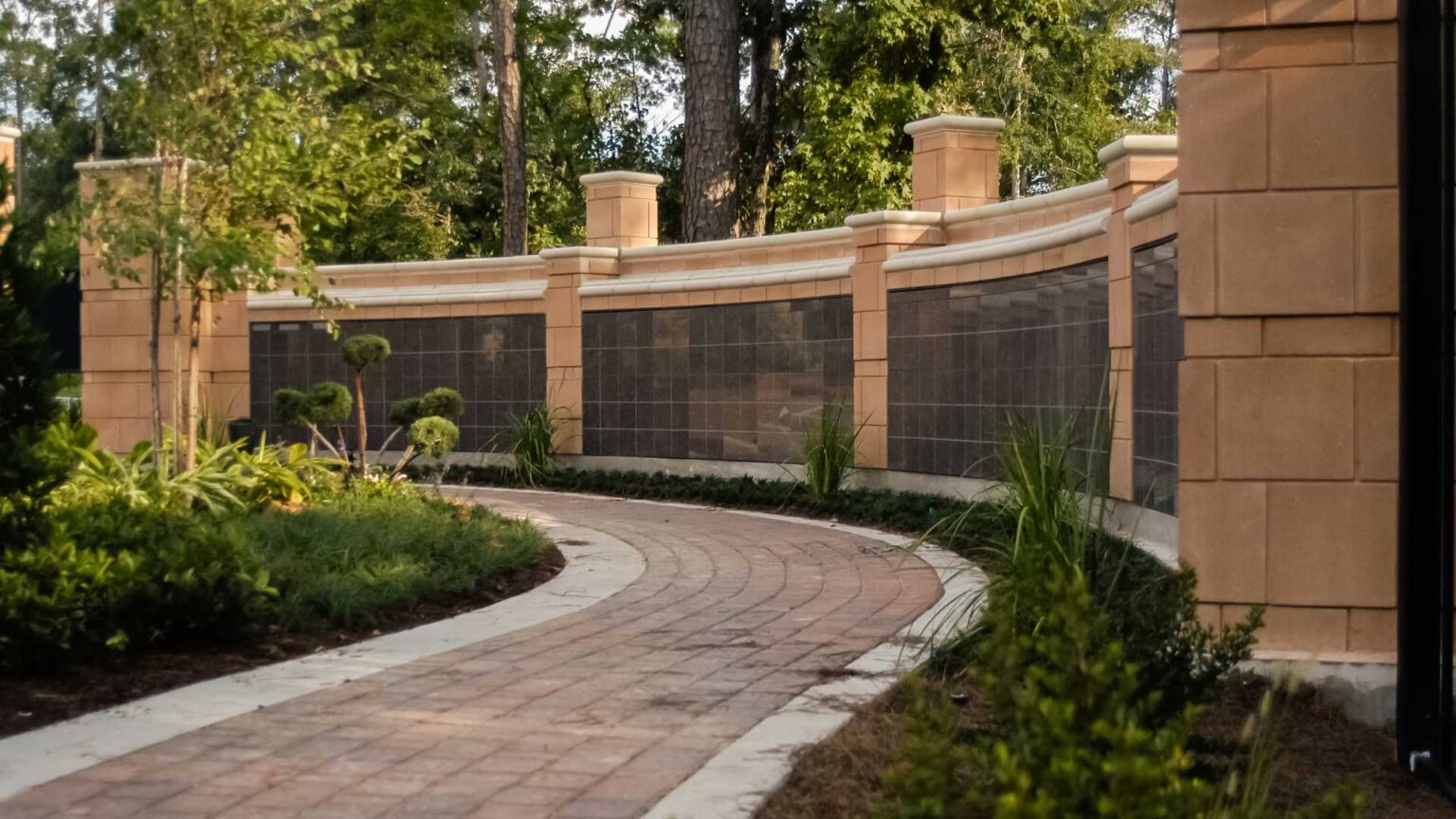
Why homeowners choose paver walkways
- Durability
- Interlocking pavers resist cracking and moving.
- Better drainage
- Water moves through joints and off the surface.
- No concrete cracking
- Clay soil and freeze–thaw cycles destroy slabs—pavers adapt.
- Low maintenance
- Simple cleaning and rare joint touch-ups.
- Easy repairs
- Replace individual stones instead of entire sections.
- Higher curb appeal
- Walkways guide the eye toward the home in a structured way.
- A walkway is a small upgrade with a big visual impact.
Common walkway failures — and how we prevent them
- Settling or uneven dips – We prevent this with deeper base excavation and layered compaction.
- Spreading edges – We install heavy-duty restraints on all sides.
- Poor drainage – We grade the walkway along its length and avoid low spots.
- Weed growth – We use polymeric sand and proper joint depth.
- Frost heaving – We use deeper frost-depth bases for Mount Prospect clay.
Walkways designed with engineering, not shortcuts, stay stable for decades.
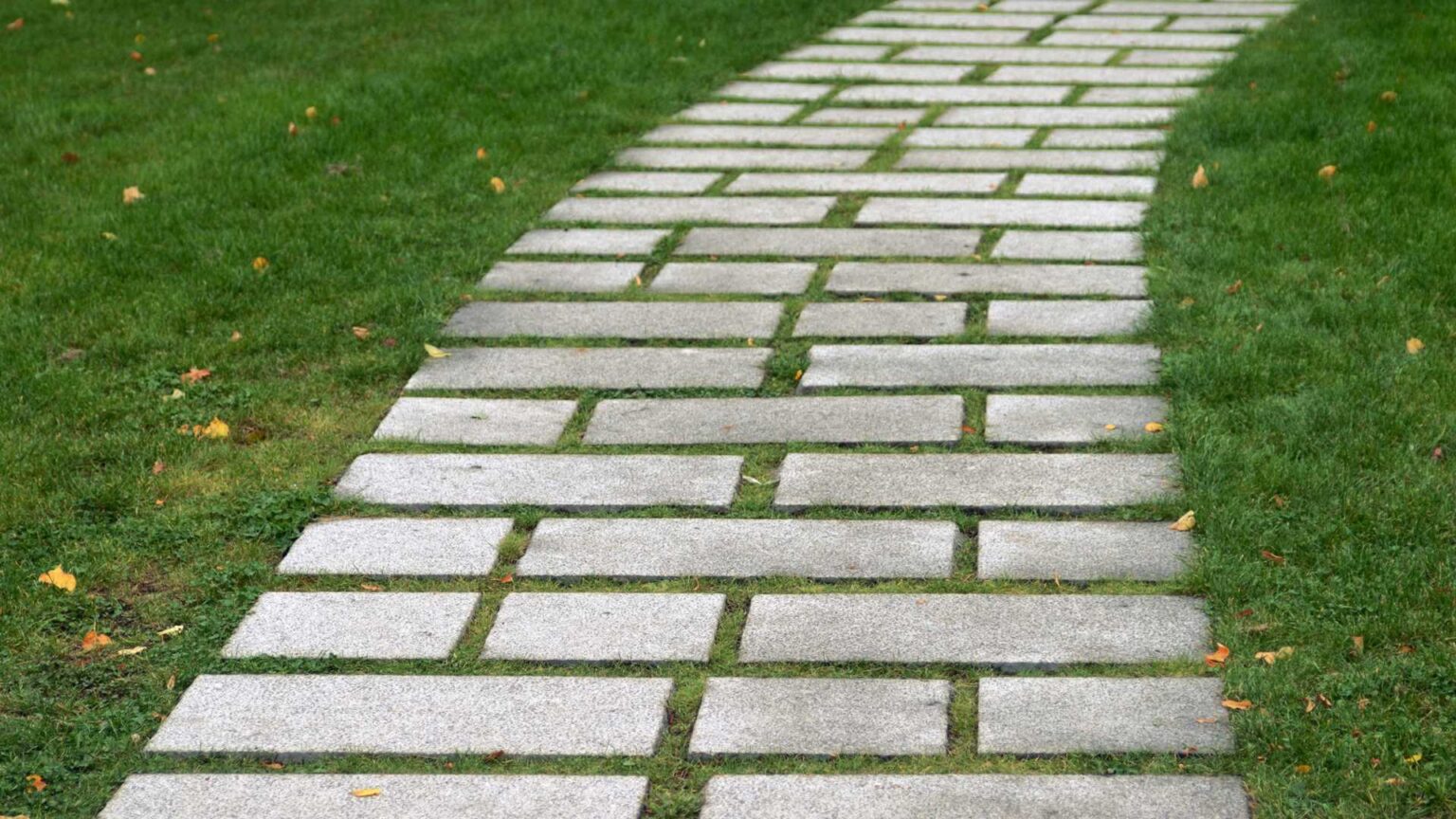
Serving Mount Prospect & the Northwest Suburbs
We install walkways in:
- Mount Prospect
- Arlington Heights
- Des Plaines
- Elk Grove Village
- Glenview
- Rolling Meadows
- Wheeling
- Northwest Chicagoland neighborhoods
Every walkway is designed specifically for your soil, grade, and home layout.
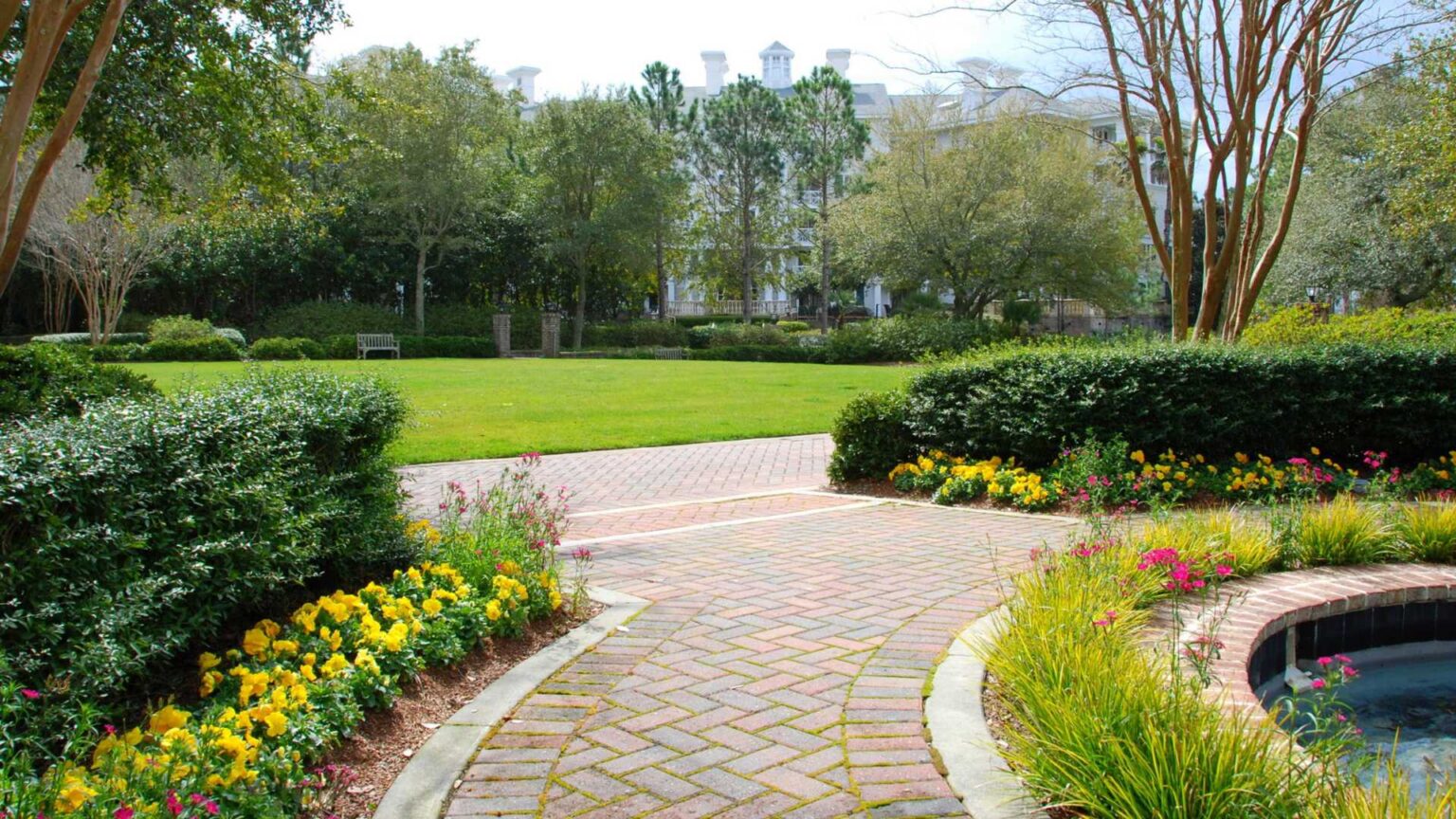
A walkway built for stability, beauty, and long-term use
A&N Outdoor Services builds walkways using the same structural standards used for heavy-duty hardscapes. The result is a surface that stays even, drains well, and complements the architecture of your home.
If you want a walkway that lasts—and looks good doing it—tell us what areas of the yard you want to connect. We’ll walk the property, plan the layout, and build a walkway that feels natural to use every day.


