
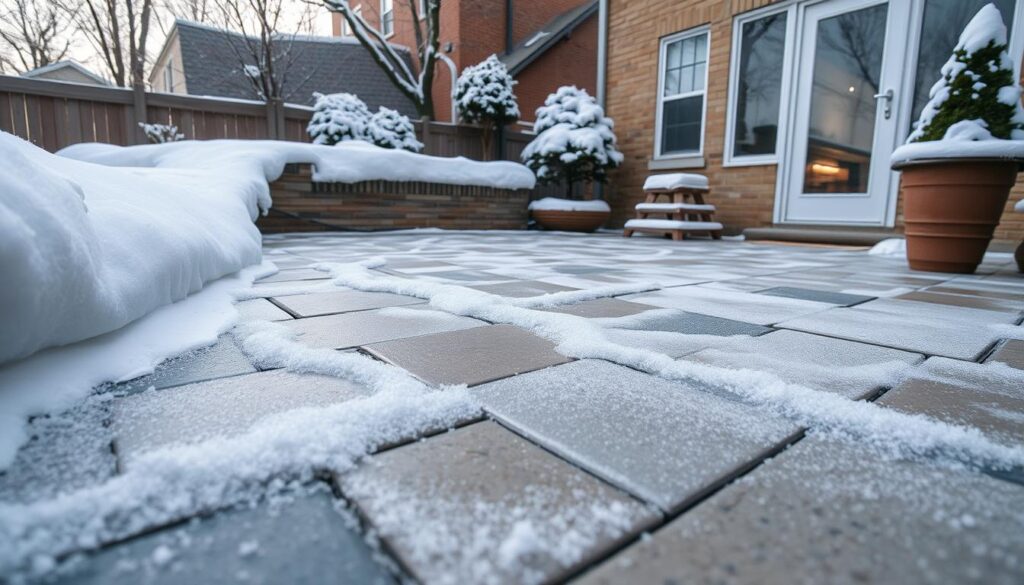
Understanding Chicago’s Weather Challenges for Patios
Before diving into material options, it’s important to understand exactly what your patio will face throughout Chicago’s seasons:
- Freeze-Thaw Cycles: Chicago experiences frequent temperature fluctuations around freezing point, causing moisture to freeze and expand, then thaw repeatedly. This puts enormous stress on patio materials.
- Heavy Snow and Ice: Winter accumulation can exceed 35 inches annually, with snow often sitting on surfaces for weeks, causing moisture damage.
- Salt Exposure: De-icing products used in winter can corrode and deteriorate certain patio materials over time.
- Clay Soil: Chicago’s clay-heavy soil retains moisture and expands, potentially causing shifting and heaving beneath patios.
- Summer Heat: Temperatures can soar above 90°F in summer, causing certain materials to become uncomfortably hot or fade from UV exposure.
With these challenges in mind, let’s explore the five best patio materials that have proven their resilience in Chicago’s demanding climate.
Not Sure Which Patio Material Is Right For Your Home?
Our Chicago patio experts can assess your specific yard conditions and recommend the perfect weather-resistant materials for your project.
1. Concrete Pavers: Versatile and Freeze-Thaw Resistant
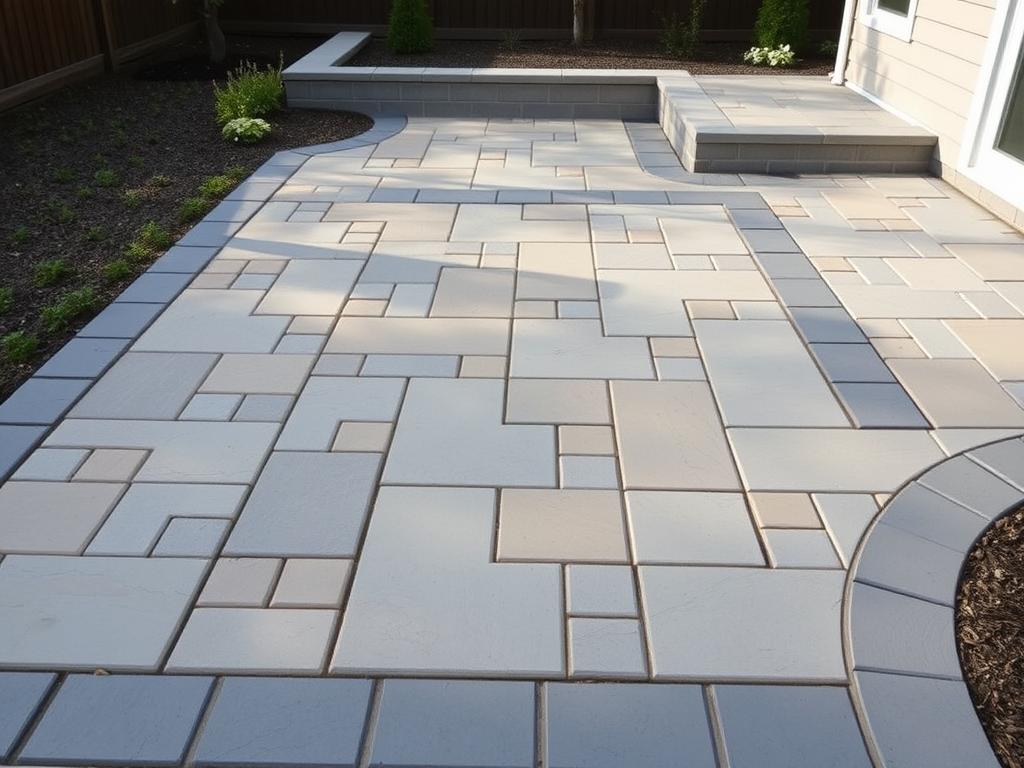
Concrete pavers consistently rank as one of the best patio materials for Chicago weather due to their exceptional durability and versatility. These manufactured units come in countless shapes, colors, and textures, allowing for customized designs that complement any home style.
Why Concrete Pavers Work Well in Chicago
The secret to concrete pavers’ success in harsh climates lies in their installation method and physical properties. Unlike poured concrete, which forms a single slab prone to cracking, pavers create a flexible surface with joints that allow for slight movement during freeze-thaw cycles.
Advantages
- Excellent freeze-thaw resistance when properly installed
- Individual units can be replaced if damaged
- Available in permeable options for better drainage
- Withstands heavy loads and traffic
- Typically less expensive than natural stone
Disadvantages
- Requires periodic sealing for maximum protection
- Colors may fade over time without proper maintenance
- Quality varies significantly between manufacturers
- Proper installation is crucial for longevity
Maintenance Requirements
To keep concrete pavers performing well in Chicago’s climate, plan on these maintenance tasks:
- Seal every 2-3 years to prevent moisture absorption and salt damage
- Regularly clean with a mild detergent to prevent staining
- Replenish joint sand as needed, especially after winter
- Address any shifting pavers promptly to prevent further movement
Pro Tip: For Chicago installations, choose concrete pavers with a minimum compressive strength of 8,000 psi and ensure a properly compacted base of at least 6-8 inches to prevent frost heaving.
2. Natural Stone: Timeless Beauty with Cold-Weather Durability
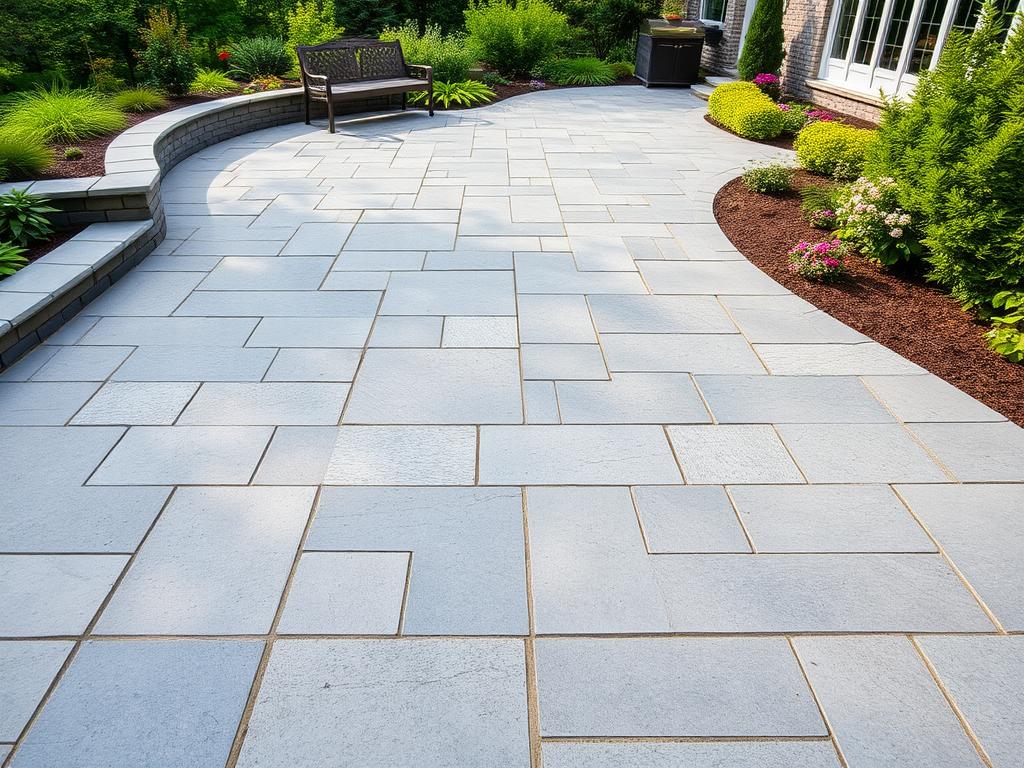
Natural stone patios offer unmatched beauty and character that synthetic materials simply can’t replicate. For Chicago’s climate, certain types of natural stone perform exceptionally well, providing both aesthetic appeal and practical durability.
Best Natural Stone Options for Chicago
Not all natural stone is created equal when it comes to withstanding harsh weather. These varieties have proven most resilient in Chicago conditions:
- Granite: Extremely dense and hard, granite resists moisture absorption and stands up exceptionally well to freeze-thaw cycles. Its low porosity makes it highly resistant to salt damage.
- Bluestone: This dense sandstone has excellent compressive strength and low water absorption rates. Its natural cleft surface provides good traction in wet or icy conditions.
- Quartzite: With superior hardness and density, quartzite resists scratching and weathering, making it ideal for high-traffic areas in harsh climates.
Advantages
- Exceptional longevity (50+ years with proper installation)
- Unique natural patterns and colors
- Increases property value
- Maintains temperature better than concrete (cooler in summer)
- Develops character over time
Disadvantages
- Higher initial cost than manufactured materials
- Heavier and more difficult to install
- Some varieties may require more frequent sealing
- Limited color consistency between pieces
Installation Considerations for Chicago Climate
For natural stone to perform well in Chicago’s freeze-thaw environment, proper installation is critical:
- Use a minimum 6-8 inch compacted gravel base
- Install with polymeric sand joints that resist erosion
- Ensure proper slope for drainage (¼ inch per foot)
- Apply high-quality penetrating sealer specifically designed for freeze-thaw environments
3. Brick Pavers: Classic Appeal with Chicago-Tough Performance
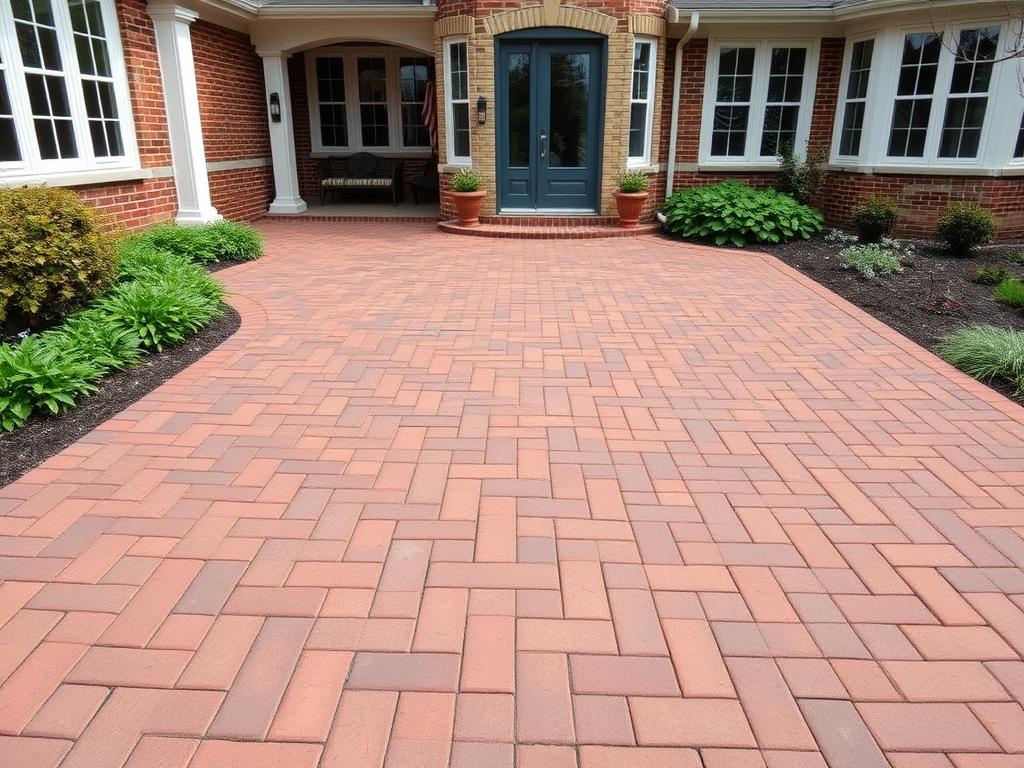
Brick pavers have adorned Chicago properties for generations, and for good reason. These clay-based units offer a timeless aesthetic that complements Chicago’s architectural heritage while providing excellent durability in our challenging climate.
Why Brick Excels in Chicago Conditions
Modern clay brick pavers are fired at extremely high temperatures, creating a dense material with low water absorption rates. This makes them particularly well-suited to withstand Chicago’s freeze-thaw cycles and moisture fluctuations.
Advantages
- Exceptional longevity (100+ years in many cases)
- Colors remain vibrant without fading
- Flexible installation allows for ground movement
- Classic appearance complements Chicago architecture
- Good slip resistance in wet conditions
Disadvantages
- Limited color and style options compared to concrete
- May develop moss or algae in shaded areas
- Requires proper drainage to prevent water accumulation
- Mid-range cost (more than concrete, less than premium stone)
Maintenance Tips for Brick Patios in Chicago
To keep your brick patio looking and performing its best through Chicago’s seasons:
- Sweep regularly to prevent debris accumulation
- Clean with a mild detergent and soft brush annually
- Reapply polymeric sand to joints every 2-3 years
- Monitor for shifting and address promptly
- Avoid harsh chemical de-icers that can damage clay
Pro Tip: For Chicago installations, choose brick pavers rated for “severe weathering” (SW grade) with a water absorption rate below 5% to ensure maximum freeze-thaw resistance.
Ready to Explore Patio Material Options?
Our experts can help you compare samples and find the perfect balance of durability, style, and budget for your Chicago patio project.
4. Porcelain Pavers: Modern Solution for Extreme Weather
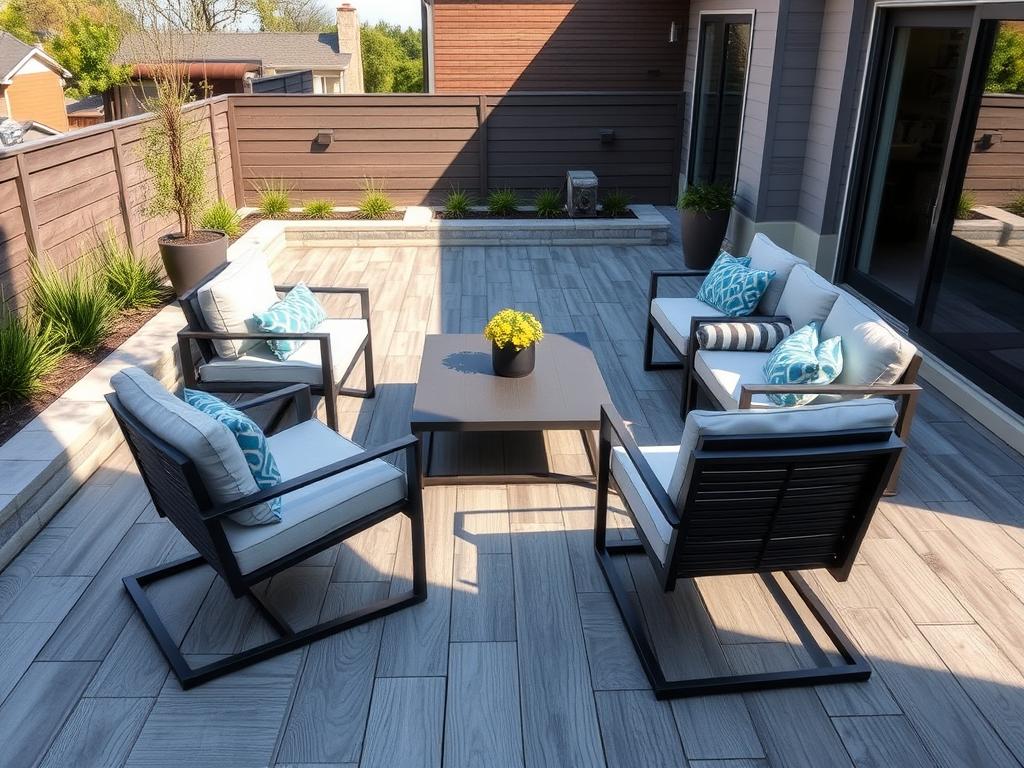
Porcelain pavers represent the cutting edge of patio materials, offering exceptional performance in Chicago’s challenging climate. These engineered ceramic tiles are manufactured at extremely high temperatures, creating a dense, non-porous surface ideal for freeze-thaw environments.
Why Porcelain Is Gaining Popularity in Chicago
Porcelain’s technical properties make it uniquely suited to withstand Chicago’s weather extremes. With water absorption rates below 0.5%, these pavers resist the moisture infiltration that causes most freeze-thaw damage.
Advantages
- Virtually zero water absorption (excellent freeze-thaw resistance)
- Highly resistant to staining and salt damage
- Available in numerous styles, including wood and stone looks
- Extremely low maintenance
- Consistent color that doesn’t fade over time
Disadvantages
- Higher initial cost than concrete or brick
- Requires specialized installation techniques
- Can be slippery when wet (though textured options are available)
- Limited availability of specialized installers
Installation Methods for Chicago’s Climate
Porcelain pavers can be installed using several methods, each with advantages for Chicago’s climate:
- Traditional sand-set: Similar to other pavers, with a compacted base and sand setting bed
- Pedestal systems: Elevated installation that allows for perfect drainage and airflow
- Mortar-set: For permanent installations over concrete bases
Pro Tip: For Chicago installations, choose porcelain pavers with a minimum thickness of 20mm (¾ inch) and a textured surface finish for better traction in wet or icy conditions.
5. Permeable Pavers: Eco-Friendly Solution for Chicago’s Water Challenges
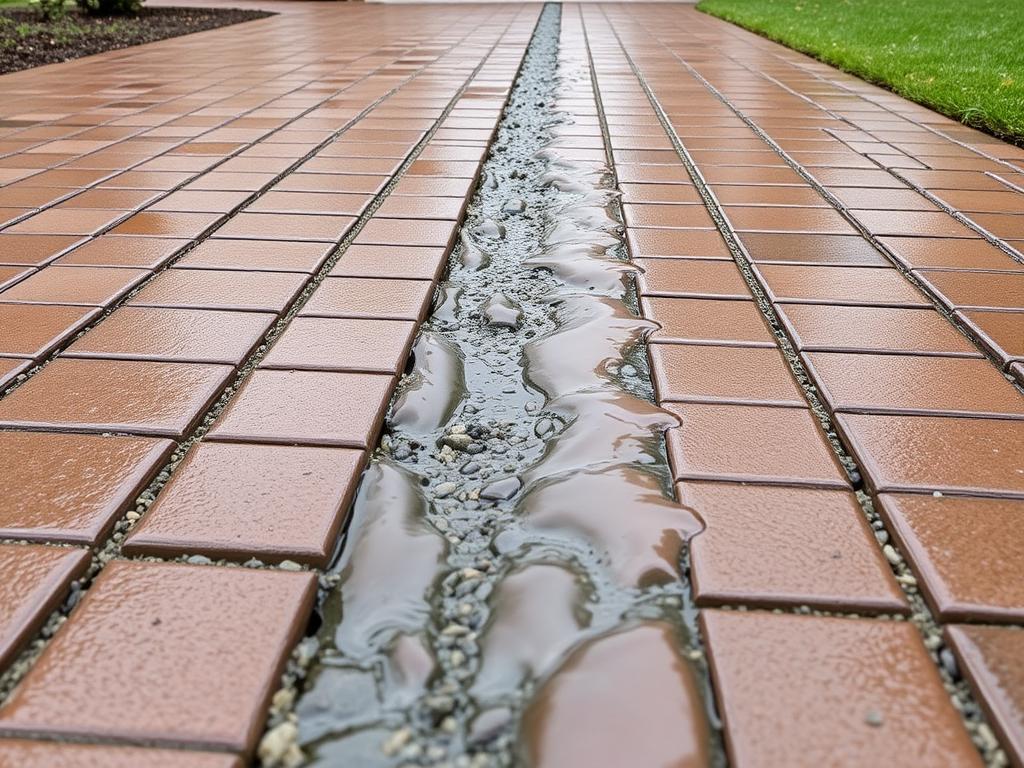
Permeable pavers offer a dual benefit for Chicago homeowners: exceptional durability in harsh weather plus improved stormwater management. These specialized pavers allow water to pass through joints or the pavers themselves, reducing runoff and helping manage Chicago’s increasingly heavy rainfall events.
Why Permeable Pavers Make Sense for Chicago
Chicago’s combination of clay soils, heavy precipitation, and freeze-thaw cycles creates significant drainage challenges. Permeable pavers address these issues while providing a stable, attractive surface for your outdoor living space.
Advantages
- Excellent drainage reduces ice formation in winter
- Helps manage stormwater and reduces flooding
- May qualify for local stormwater incentives or credits
- Available in concrete, brick, and other materials
- Reduces puddles and standing water
Disadvantages
- Higher installation cost due to specialized base requirements
- Requires periodic cleaning to maintain permeability
- Limited to areas with proper subsurface drainage
- Not suitable for all soil types without modifications
Installation Requirements for Chicago Conditions
Permeable paver systems require specific installation techniques to function properly in Chicago’s climate:
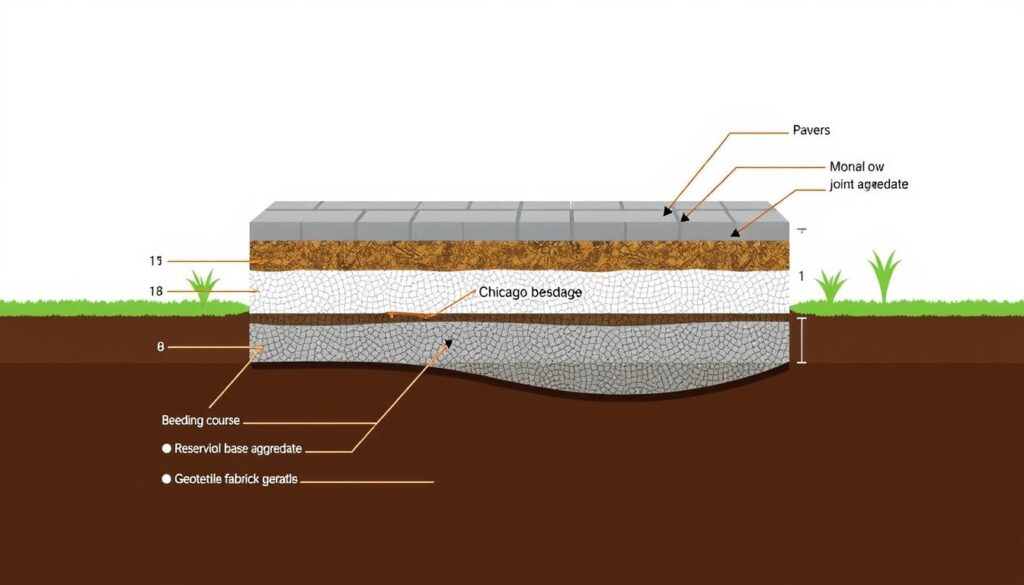
- Deeper excavation (typically 12-18 inches) than traditional patios
- Layered aggregate base with specific gradations for water storage
- Geotextile fabric to separate soil from aggregate
- Specialized joint material that maintains permeability
Comparing Patio Materials for Chicago Weather: Making Your Decision
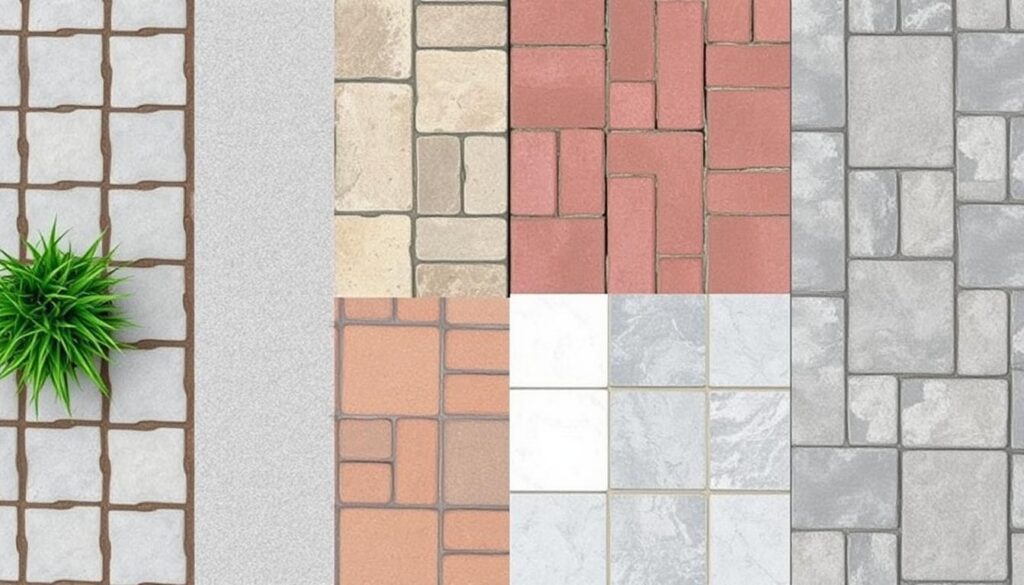
Choosing the right patio material depends on your specific priorities, budget, and property conditions. This comparison helps you weigh the key factors for Chicago installations:
| Material | Freeze-Thaw Resistance | Salt Resistance | Maintenance Level | Relative Cost | Lifespan |
| Concrete Pavers | Excellent | Good | Medium | $$ | 25-50 years |
| Natural Stone | Very Good* | Good* | Low-Medium | $$$-$$$$ | 50+ years |
| Brick Pavers | Excellent | Good | Low | $$-$$$ | 50-100+ years |
| Porcelain Pavers | Outstanding | Excellent | Very Low | $$$ | 30-50 years |
| Permeable Pavers | Excellent | Good | Medium-High | $$$ | 25-50 years |
*Varies significantly by stone type; ratings shown for recommended varieties like granite and bluestone
Essential Installation Tips for Chicago Patio Success
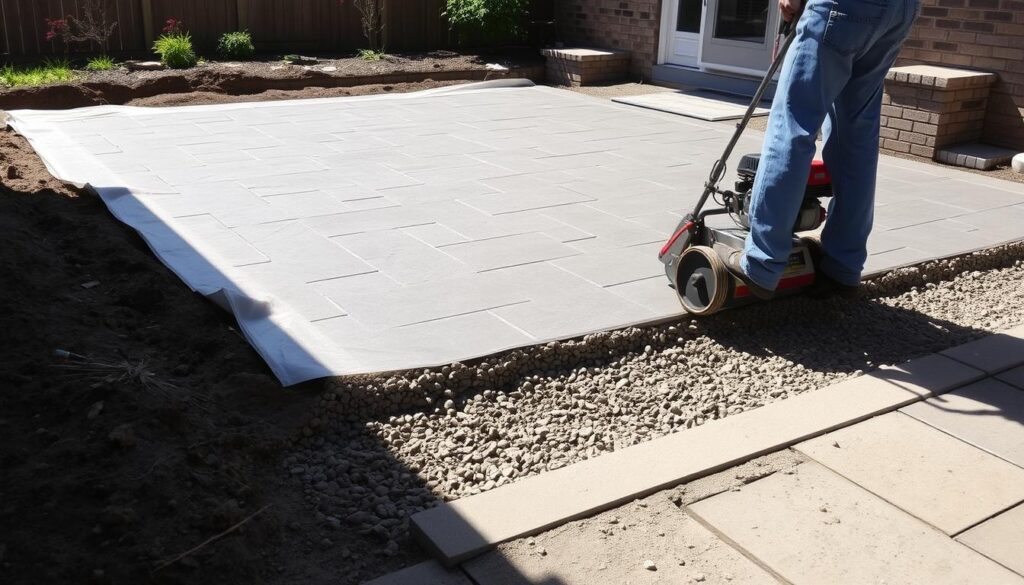
No matter which material you choose, proper installation is crucial for long-term performance in Chicago’s climate. These key installation factors will help ensure your patio stands up to our challenging weather:
Base Preparation
- Excavation Depth: Remove 8-12 inches of soil for standard patios, 12-18 inches for permeable systems
- Soil Stabilization: Use geotextile fabric to separate subsoil from base materials
- Compaction: Thoroughly compact each layer of base material to prevent settling
Drainage Considerations
- Proper Slope: Maintain a minimum 1-2% slope (¼ inch per foot) away from structures
- Subsurface Drainage: Consider drain tile for areas with poor natural drainage
- Edge Restraints: Install secure edging to prevent lateral movement
Seasonal Timing
In Chicago, the ideal installation window is late spring through early fall when ground conditions are dry and temperatures are moderate. Avoid installations during freezing temperatures or when the ground is saturated.
Pro Tip: For Chicago installations, increase your base depth by 2-4 inches beyond standard recommendations to account for our extreme freeze-thaw conditions and clay soils.
Ready to Build Your Weather-Resistant Chicago Patio?
Our experienced team specializes in durable patio installations designed specifically for Chicago’s challenging climate. Contact us today for a personalized consultation and free estimate.
Frequently Asked Questions About Patio Materials for Chicago Weather
How long do different patio materials typically last in Chicago’s climate?
With proper installation and maintenance, you can expect these approximate lifespans in Chicago conditions: concrete pavers (25-50 years), natural stone (50+ years), brick pavers (50-100+ years), porcelain pavers (30-50 years), and permeable pavers (25-50 years). The key factors affecting longevity are installation quality, maintenance practices, and specific site conditions.
Do I need a permit to install a patio in Chicago?
In most Chicago neighborhoods, patios under 200 square feet that don’t include electrical components or structural elements typically don’t require permits. However, larger patios, those affecting drainage patterns, or installations in historic districts often do require permits. Always check with your local building department before starting your project.
What’s the best time of year to install a patio in Chicago?
Late spring through early fall (May through September) is ideal for patio installation in Chicago. This allows for proper curing and setting before winter weather arrives. Avoid installation during freezing temperatures or when the ground is saturated from heavy rainfall.
How do I prevent my patio from heaving during freeze-thaw cycles?
Prevent freeze-thaw heaving by ensuring proper base preparation (minimum 6-8 inches of compacted gravel), installing adequate drainage, using flexible jointing materials that allow for slight movement, and maintaining proper slope away from structures. For Chicago’s climate, a deeper base is always better for long-term stability.
What’s the most budget-friendly patio material that still performs well in Chicago weather?
Concrete pavers offer the best balance of affordability and performance for Chicago’s climate. They provide excellent freeze-thaw resistance at a lower cost than natural stone or porcelain. For even greater budget savings, consider standard concrete pavers rather than specialty styles, while still maintaining the structural benefits needed for our harsh weather.
Making Your Final Decision: The Best Patio Material for Your Chicago Home
Choosing the right patio material for Chicago’s challenging climate requires balancing durability, aesthetics, maintenance requirements, and budget. Each of the five materials we’ve explored offers distinct advantages for withstanding our freeze-thaw cycles, moisture fluctuations, and temperature extremes.
Remember that proper installation is just as important as material selection. Even the most weather-resistant materials can fail prematurely if installed incorrectly. Working with experienced professionals who understand Chicago’s unique climate challenges will help ensure your patio provides decades of enjoyment.
Whether you prefer the classic appeal of brick, the natural beauty of stone, or the modern performance of porcelain, investing in quality materials and installation will create an outdoor living space that enhances your home and stands up to everything Chicago’s weather can throw at it.
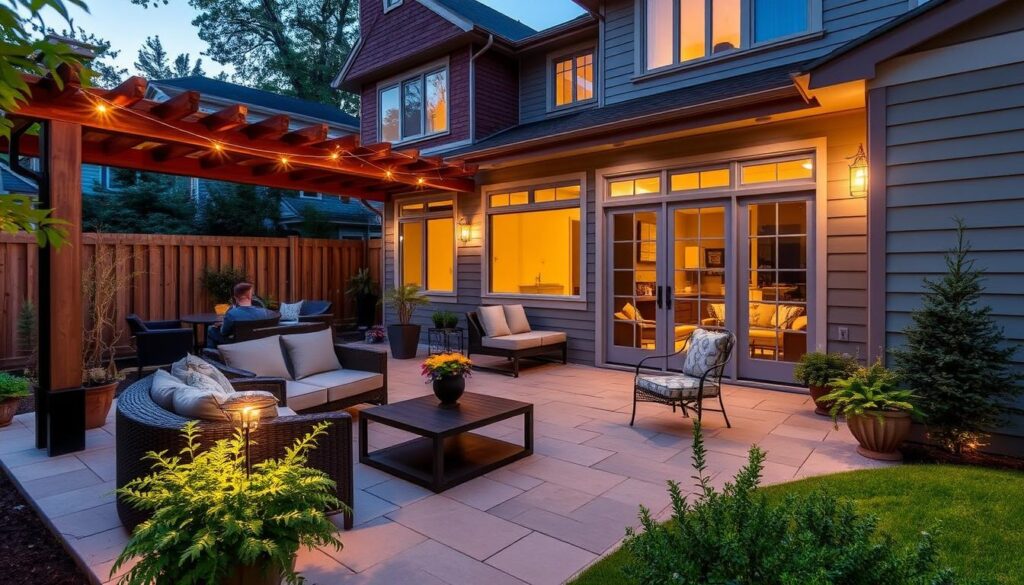
Transform Your Outdoor Space with a Weather-Resistant Chicago Patio
Ready to create a beautiful, durable patio that will withstand Chicago’s toughest weather? Our expert team is here to help with material selection, design, and professional installation.