
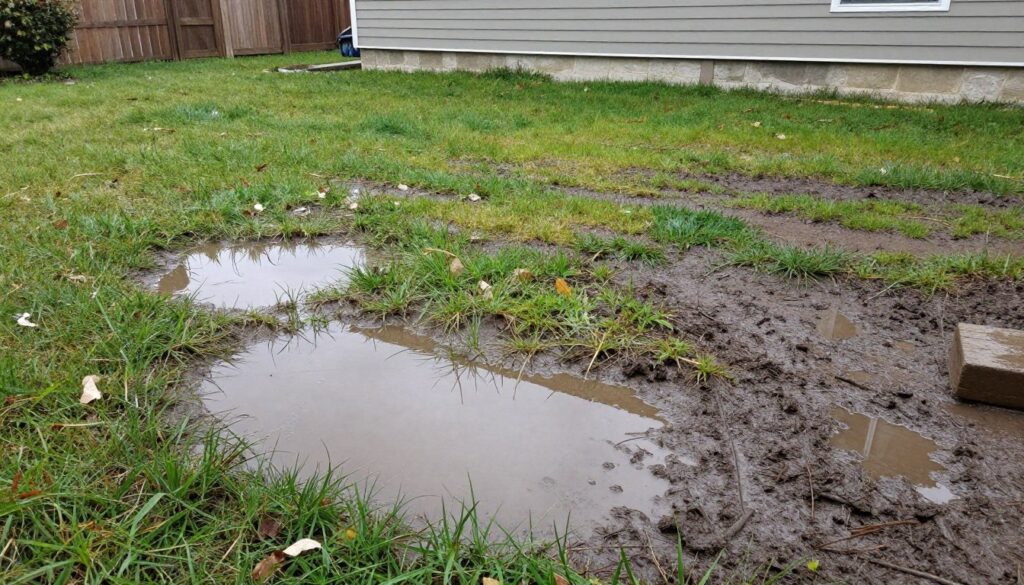
Your property deserves effective yard drainage solutions that protect your landscape and home. This comprehensive guide explores proven methods to eliminate standing water. You will learn about different drainage systems and how to choose the right solution for your specific situation.
Professional Insight: While many drainage problems can be resolved with DIY approaches, complex issues involving foundation protection or extensive water management may benefit from professional drainage assessment and installation services.
Understanding Your Yard Drainage Issues
Before selecting yard drainage solutions, you need to identify the source of water problems in your landscape. Standing water appears for several reasons. Poor soil composition prevents proper absorption. Incorrect grading directs runoff toward your house instead of away from it.

Heavy clay soil retains water longer than sandy or loamy soil types. Compacted earth from construction or heavy foot traffic reduces drainage capacity. Low spots in your yard naturally collect water and create persistent wet areas. Understanding these factors helps you select appropriate drainage solutions for your property.
Signs You Need Better Yard Drainage
- Water pools in the same spots after every rain event
- Grass dies in wet areas or moss replaces healthy lawn
- Basement or crawl space shows moisture or water intrusion
- Foundation cracks appear or worsen over time
- Soil stays soggy for days after rainfall stops
- Erosion channels form across your landscape
How to Assess Your Property
Walk your yard during and after rainfall to observe water movement. Note where puddles form and how long they persist. Check the slope around your foundation. The ground should slope away from your house at least six inches over ten feet of distance.
Examine your downspouts and gutters. Make sure they direct water at least five feet away from your foundation. Inspect low areas where water naturally collects. Take photos to document problem spots during wet conditions.
French Drain Systems for Yard Drainage

French drains rank among the most effective yard drainage solutions for persistent water problems. This system uses a gravel-filled trench with a perforated pipe to redirect water away from problem areas. Water flows into the trench and through the pipe to a safe drainage point.
How French Drains Work
A typical French drain system consists of several components working together. You dig a trench that slopes gradually toward the drainage outlet. The trench depth ranges from 18 to 24 inches depending on your drainage needs. You line the trench with landscape fabric to prevent soil from clogging the system.
Next, you add a layer of gravel and place a perforated drain pipe on top. The pipe has small holes that allow water to enter. More gravel covers the pipe completely. The fabric wraps over the gravel layer before you backfill with soil.
French Drain Advantages
- Handles large volumes of water effectively
- Works well for multiple drainage problems
- Lasts for many years with proper installation
- Can be combined with other drainage solutions
- Prevents foundation damage from excess moisture
French Drain Disadvantages
- Requires significant excavation work
- Installation costs more than surface solutions
- May need professional installation for best results
- Can become clogged without proper fabric protection
- Difficult to repair once installed
Installation and Cost Considerations
DIY French drain installation costs between three and seven dollars per linear foot for materials. You need gravel, perforated pipe, landscape fabric, and basic digging tools. Professional installation ranges from twenty to fifty dollars per foot depending on depth and soil conditions.
The project requires physical labor and careful planning. You must determine the correct slope for water flow. Most systems need at least one inch of drop per eight feet of length. Make sure you have a suitable outlet point for the collected water.
Surface Drains and Channel Systems
Surface drains capture water before it soaks into the ground. These yard drainage solutions work well for areas with heavy runoff or poor soil drainage. The system includes grated inlets connected to underground pipes that carry water away from your property.

Types of Surface Drainage Systems
Catch basins feature a large grated opening that collects water from surrounding areas. The basin sits below ground level and connects to drainage pipes. You install catch basins in low spots where water naturally flows.
Channel drains use long, narrow grates that span wider areas. These work perfectly for driveways, patios, and walkways. The channel directs water to a single outlet point or connects to your main drainage system.
Where to Install Surface Drains
- At the base of downspouts to prevent water pooling
- In low spots where puddles consistently form
- Along driveways and sidewalks to prevent runoff
- Near garage doors and basement entrances
- Under deck areas prone to standing water
Surface drains cost less to install than French drains. Basic catch basins range from fifty to two hundred dollars each. Channel drain systems cost between fifteen and thirty dollars per linear foot for materials.
Dry Wells and Rain Gardens

Dry Well Installation
Dry wells provide underground storage for excess water drainage. You dig a large hole and fill it with gravel or install a prefabricated dry well container. Water collects in the well and slowly percolates into surrounding soil over time.
This drainage solution works best in areas with naturally permeable soil. Sandy or loamy soil allows water to drain faster than heavy clay. The typical dry well measures three to four feet in diameter and four to six feet deep.
You connect downspouts or French drains to the dry well through underground pipes. The system handles large volumes of runoff during storms. The water gradually disperses into the ground instead of pooling in your yard.
Dry Well Benefits
- Reduces runoff to storm drains and streams
- Recharges groundwater naturally
- Handles large water volumes efficiently
- Invisible once installed in your landscape
Installation Requirements
Place dry wells at least ten feet from your foundation. Check local codes for required setbacks from property lines and septic systems. The well must sit in soil that drains adequately.
Test soil drainage by digging a small hole and filling it with water. If water drains within 24 hours, the location works for a dry well installation.
Rain Garden Design
Rain gardens transform drainage problems into attractive landscape features. You create a shallow depression planted with native species that tolerate both wet and dry conditions. The garden captures runoff and allows it to soak slowly into the soil.

Choose plants native to your region that thrive in moist soil conditions. Good options include native grasses, sedges, and perennial flowers. These plants develop deep root systems that improve soil drainage over time.
Size your rain garden to handle expected runoff volume. A general rule suggests making the garden about twenty percent of the drainage area size. Place rain gardens at least ten feet from house foundations to protect your home structure.
Proper Grading and Landscape Swales
Grading changes the slope of your yard to direct water away from problem areas. This fundamental yard drainage solution prevents water from pooling near your foundation. Proper grading often solves drainage issues without additional systems.
Regrading Your Property
Your yard should slope away from your house at all points around the foundation. The ideal slope drops six inches over the first ten feet from your home. This grade ensures water flows away instead of collecting against foundation walls.

Regrading requires moving soil to create proper drainage slopes. You may need to bring in additional topsoil to build up low areas. The project works best when combined with lawn renovation since you must disturb existing grass.
Small grading projects cost between five hundred and two thousand dollars for professional work. Extensive regrading around your entire house may cost three thousand to ten thousand dollars depending on property size and soil conditions.
Creating Drainage Swales
Swales are shallow channels that direct water across your landscape. These gentle depressions guide runoff to safe drainage areas or street gutters. Grass or ground cover plants grow in swales to prevent erosion and maintain an attractive appearance.
You shape swales with gradual side slopes that blend naturally into surrounding lawn areas. The channel bottom should slope continuously toward the outlet point. Avoid creating flat spots where water might pool within the swale.
- Make swales at least two feet wide for adequate flow capacity
- Keep side slopes gentle for easy mowing and maintenance
- Line with erosion control fabric if water flow is heavy
- Plant grass immediately to stabilize soil
- Direct swale outlets away from neighboring properties
Sump Pump Systems for Problem Areas
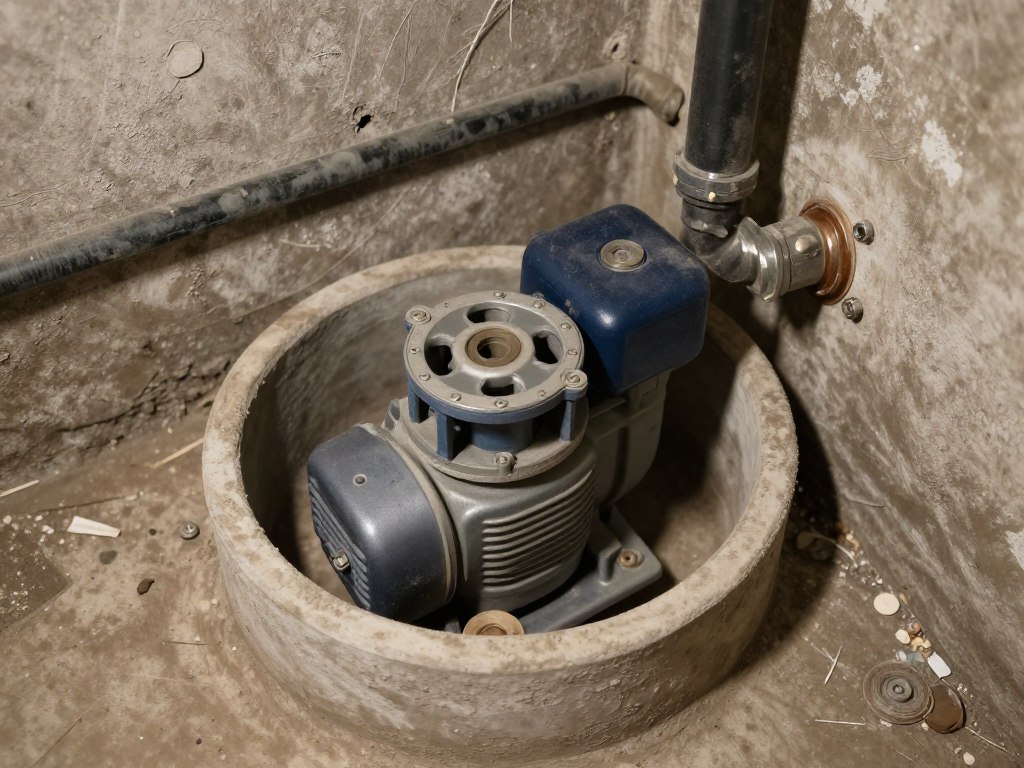
Sump pumps actively remove water from areas below ground level. These systems work well for basement drainage and low-lying yard areas where gravity drainage proves impossible. The pump sits in a basin that collects incoming water.
How Sump Systems Work
Water flows into the sump basin through drain tiles or perforated pipes surrounding your foundation. When water reaches a certain level, the pump activates automatically. It pushes water through discharge pipes to a safe location away from your home.
Outdoor sump systems help drainage in extremely low areas of your yard. You install the basin at the lowest point and connect it to pipes that collect water from surrounding areas. The pump discharges to storm sewers, drainage ditches, or other approved outlets.
Choosing and Maintaining Your Sump Pump
Submersible pumps sit underwater in the basin and operate quietly. Pedestal pumps mount above the basin and cost less but make more noise during operation. Choose pump capacity based on expected water volume and required pumping height.
Basic sump pump systems cost between one hundred fifty and five hundred dollars for equipment. Professional installation adds five hundred to one thousand dollars depending on complexity. Battery backup systems prevent flooding during power outages.
Important: Check local regulations before installing sump pump discharge systems. Many areas prohibit pumping into sanitary sewers. You must direct discharge water to appropriate drainage areas that do not create problems for neighbors.
DIY vs Professional Installation
Many yard drainage solutions work well as DIY projects for homeowners with basic skills. Simple surface drains, small French drains, and rain gardens fit within most budgets and ability levels. You save money on labor while learning valuable home maintenance skills.

When DIY Makes Sense
Tackle drainage projects yourself when dealing with small areas and straightforward problems. Installing catch basins, extending downspouts, and creating simple swales require basic tools and moderate physical effort. These projects cost significantly less than professional installation.
You need time, proper tools, and willingness to handle physical labor. Digging trenches and moving soil demands stamina. Make sure you understand local building codes and utility locations before starting any excavation work.
When to Hire Professionals
Complex drainage issues require professional expertise and equipment. Foundation drainage, extensive French drain systems, and large-scale grading projects benefit from professional installation. Contractors have specialized tools that make work faster and more precise.
DIY Project Indicators
- Small drainage area to address
- Straightforward water flow patterns
- No foundation involvement needed
- Access to rental equipment
- Time for extended project work
Professional Help Indicators
- Multiple drainage problems across property
- Foundation or basement water issues
- Need for proper engineering and permits
- Heavy equipment requirements
- Time constraints for completion
Professional drainage contractors provide warranties on their work. They carry insurance that protects you from liability during installation. Experienced installers complete projects faster and avoid common mistakes that lead to system failure.
Not Sure Which Drainage Solution Is Right for Your Yard?
Every property has unique drainage challenges that require customized solutions. Our drainage experts provide free on-site assessments to identify the most effective and cost-efficient approach for your specific situation. Get professional recommendations without obligation.
Choosing the Right Drainage Solution
Select yard drainage solutions based on your specific water problems, soil type, and budget constraints. No single system works perfectly for every situation. Many properties need combinations of different drainage methods to solve all issues effectively.
Factors to Consider
Your soil composition affects which systems perform best. Sandy soil drains quickly and works well with dry wells. Clay soil holds water longer and may need surface drainage or extensive French drain systems. Test your soil to understand its drainage characteristics.
Property size influences project scope and costs. Small yards may only need simple solutions like improved grading or a single catch basin. Large properties with multiple problem areas require comprehensive drainage system planning.

Budget Planning
Drainage project costs vary widely based on solution complexity. Simple fixes like extending downspouts or creating small swales may cost just a few hundred dollars. Complete yard drainage systems with multiple components can exceed five thousand dollars.
| Drainage Solution | Typical Cost Range | Best For | Difficulty Level |
| Downspout Extensions | $50-$200 | Foundation protection | Easy DIY |
| Surface Drains | $200-$1,000 | Localized pooling | Moderate DIY |
| Rain Gardens | $300-$1,500 | Runoff filtration | Moderate DIY |
| Dry Wells | $500-$3,000 | Large water volumes | Advanced DIY |
| French Drains | $1,000-$5,000 | Widespread moisture | Professional |
| Complete Regrading | $1,500-$10,000 | Slope correction | Professional |
Climate Considerations
Your regional climate affects drainage system requirements. Areas with heavy rainfall need systems that handle large water volumes quickly. Regions with clay soil and freeze-thaw cycles require deeper installations to prevent frost damage to pipes.
Consider seasonal water patterns when planning drainage solutions. Some yards only have standing water during spring snowmelt. Others face chronic moisture problems year-round. Design systems to handle your worst-case drainage scenarios.
Dealing with severe drainage problems that threaten your foundation?
Free consultation available for urgent drainage issues.
Maintaining Your Yard Drainage System
Proper maintenance keeps drainage systems working effectively for years. Regular inspections prevent small problems from becoming expensive failures. Most maintenance tasks take minimal time and require no special tools or expertise.

Regular Inspection Schedule
Check your drainage system at least twice yearly in spring and fall. Inspect after major storms to ensure everything functions properly. Look for signs of clogs, settling, or damage that might reduce system performance.
- Remove debris from surface drain grates and catch basins
- Clear leaves and sediment from swales and channels
- Inspect exposed pipes for damage or separation
- Test sump pumps monthly by pouring water into basin
- Verify proper water flow through entire system
- Check for erosion around drain outlets
Preventing Clogs and Damage
Keep gutters clean so debris does not wash into your drainage system. Trim trees and shrubs away from drain components. Avoid driving vehicles over buried drain lines that could crush pipes.
Landscape fabric in French drains eventually clogs with fine sediment. This process happens slowly over many years. Professional cleaning or replacement becomes necessary when water backs up or drains slowly.
Seasonal Maintenance Tasks
Spring maintenance focuses on clearing winter debris and checking for frost damage. Remove accumulated leaves and sediment from all drainage components. Test systems thoroughly as rainfall increases during spring months.
Fall preparation involves clearing leaves before they clog drains. Inspect systems before winter to ensure proper function during snowmelt season. Protect aboveground components from freezing temperatures if needed in your climate.
Maintenance Tip: Mark the locations of buried drainage components on a property map. This information helps you avoid damage during future landscaping projects and makes repairs easier when problems occur.
Protecting Your Property With Effective Drainage
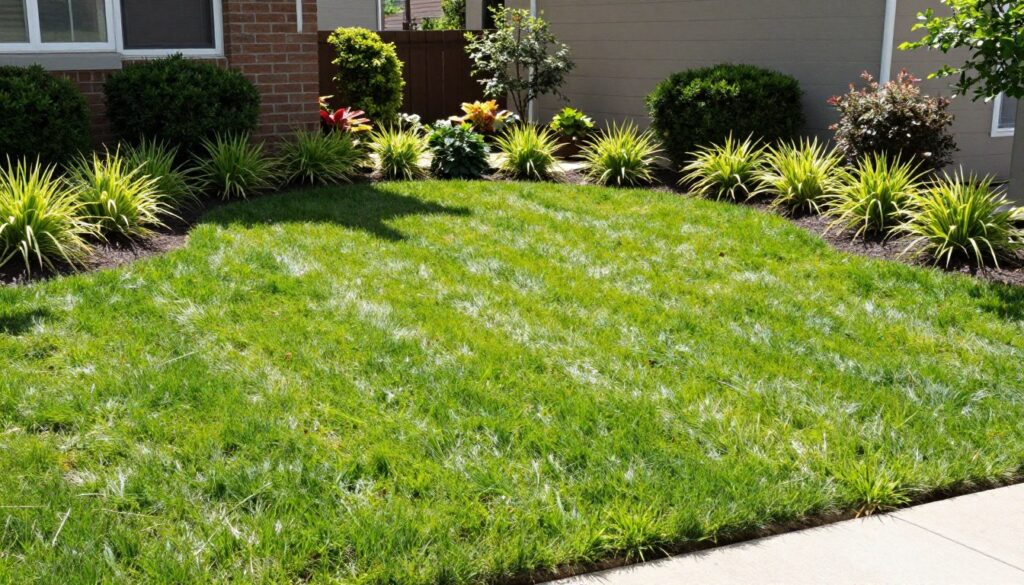
Standing water problems damage your home and make outdoor spaces unusable. The right yard drainage solutions protect your foundation while creating a healthier landscape. You now understand various drainage methods and how to choose appropriate systems for your property.
Start with simple solutions like improving grading and extending downspouts. These basic fixes solve many drainage problems without major expense. More complex issues require French drains, dry wells, or comprehensive system design.
Consider your soil type, property slope, and water volume when selecting drainage solutions. DIY projects work well for straightforward problems. Professional installation ensures proper function for complex systems that protect your biggest investment.
Regular maintenance keeps drainage systems working efficiently for decades. Clean debris from components and inspect for damage twice yearly. Address small problems promptly before they escalate into costly repairs.
Effective yard drainage improves your property value while preventing expensive foundation damage. Take action now to eliminate standing water and protect your home from moisture problems.
Get a Custom Drainage Solution for Your Property
Stop dealing with standing water, foundation risks, and unusable yard space. Our drainage specialists design and install customized systems that solve your specific water problems permanently. We provide comprehensive assessments, professional installation, and long-term warranties on all drainage work. Call us now or fill our Get A Free Quote form.