Best Yard Drainage Solutions for Homes With Standing Water
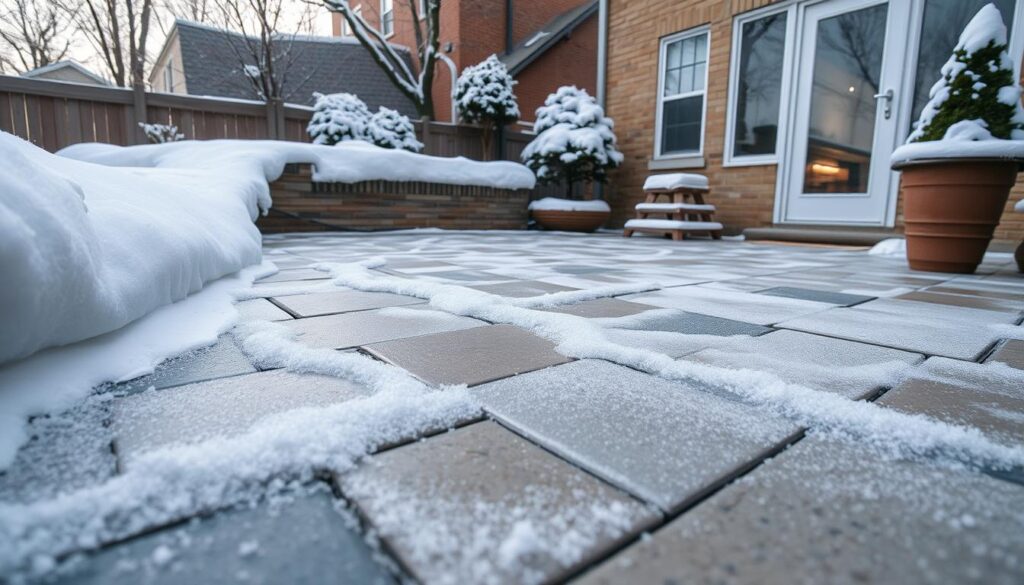
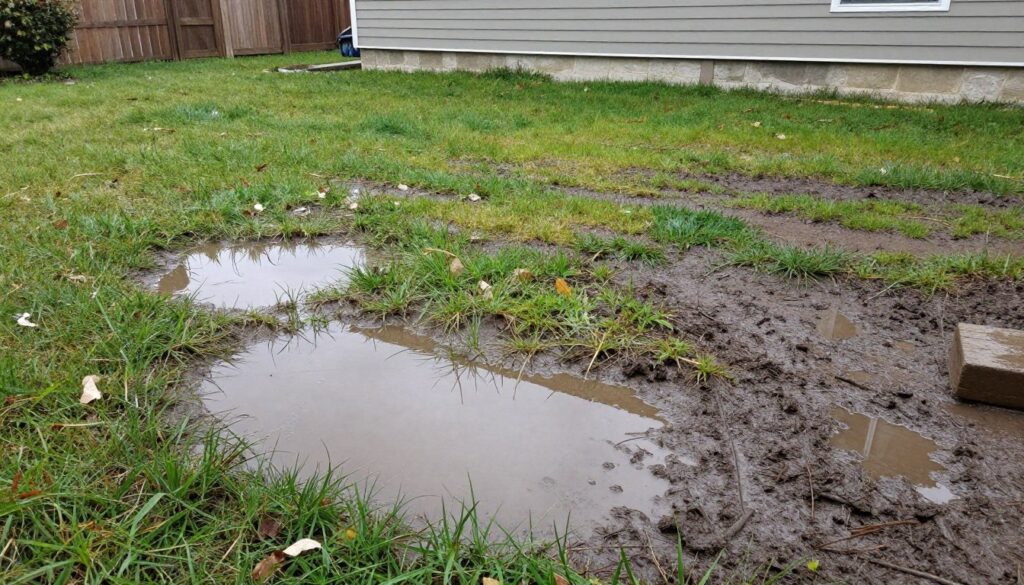
Standing water in your yard creates serious problems for any home. Pools of water damage grass and plants while attracting mosquitoes and pests. The moisture threatens your foundation and creates unusable outdoor spaces. Many homeowners face this frustrating drainage issue after heavy rain or snow melt. Your property deserves effective yard drainage solutions that protect your landscape and home. This comprehensive guide explores proven methods to eliminate standing water. You will learn about different drainage systems and how to choose the right solution for your specific situation. Professional Insight: While many drainage problems can be resolved with DIY approaches, complex issues involving foundation protection or extensive water management may benefit from professional drainage assessment and installation services. Understanding Your Yard Drainage Issues Before selecting yard drainage solutions, you need to identify the source of water problems in your landscape. Standing water appears for several reasons. Poor soil composition prevents proper absorption. Incorrect grading directs runoff toward your house instead of away from it. Heavy clay soil retains water longer than sandy or loamy soil types. Compacted earth from construction or heavy foot traffic reduces drainage capacity. Low spots in your yard naturally collect water and create persistent wet areas. Understanding these factors helps you select appropriate drainage solutions for your property. Signs You Need Better Yard Drainage Water pools in the same spots after every rain event Grass dies in wet areas or moss replaces healthy lawn Basement or crawl space shows moisture or water intrusion Foundation cracks appear or worsen over time Soil stays soggy for days after rainfall stops Erosion channels form across your landscape How to Assess Your Property Walk your yard during and after rainfall to observe water movement. Note where puddles form and how long they persist. Check the slope around your foundation. The ground should slope away from your house at least six inches over ten feet of distance. Examine your downspouts and gutters. Make sure they direct water at least five feet away from your foundation. Inspect low areas where water naturally collects. Take photos to document problem spots during wet conditions. French Drain Systems for Yard Drainage French drains rank among the most effective yard drainage solutions for persistent water problems. This system uses a gravel-filled trench with a perforated pipe to redirect water away from problem areas. Water flows into the trench and through the pipe to a safe drainage point. How French Drains Work A typical French drain system consists of several components working together. You dig a trench that slopes gradually toward the drainage outlet. The trench depth ranges from 18 to 24 inches depending on your drainage needs. You line the trench with landscape fabric to prevent soil from clogging the system. Next, you add a layer of gravel and place a perforated drain pipe on top. The pipe has small holes that allow water to enter. More gravel covers the pipe completely. The fabric wraps over the gravel layer before you backfill with soil. French Drain Advantages Handles large volumes of water effectively Works well for multiple drainage problems Lasts for many years with proper installation Can be combined with other drainage solutions Prevents foundation damage from excess moisture French Drain Disadvantages Requires significant excavation work Installation costs more than surface solutions May need professional installation for best results Can become clogged without proper fabric protection Difficult to repair once installed Installation and Cost Considerations DIY French drain installation costs between three and seven dollars per linear foot for materials. You need gravel, perforated pipe, landscape fabric, and basic digging tools. Professional installation ranges from twenty to fifty dollars per foot depending on depth and soil conditions. The project requires physical labor and careful planning. You must determine the correct slope for water flow. Most systems need at least one inch of drop per eight feet of length. Make sure you have a suitable outlet point for the collected water. Surface Drains and Channel Systems Surface drains capture water before it soaks into the ground. These yard drainage solutions work well for areas with heavy runoff or poor soil drainage. The system includes grated inlets connected to underground pipes that carry water away from your property. Types of Surface Drainage Systems Catch basins feature a large grated opening that collects water from surrounding areas. The basin sits below ground level and connects to drainage pipes. You install catch basins in low spots where water naturally flows. Channel drains use long, narrow grates that span wider areas. These work perfectly for driveways, patios, and walkways. The channel directs water to a single outlet point or connects to your main drainage system. Where to Install Surface Drains At the base of downspouts to prevent water pooling In low spots where puddles consistently form Along driveways and sidewalks to prevent runoff Near garage doors and basement entrances Under deck areas prone to standing water Surface drains cost less to install than French drains. Basic catch basins range from fifty to two hundred dollars each. Channel drain systems cost between fifteen and thirty dollars per linear foot for materials. Dry Wells and Rain Gardens Dry Well Installation Dry wells provide underground storage for excess water drainage. You dig a large hole and fill it with gravel or install a prefabricated dry well container. Water collects in the well and slowly percolates into surrounding soil over time. This drainage solution works best in areas with naturally permeable soil. Sandy or loamy soil allows water to drain faster than heavy clay. The typical dry well measures three to four feet in diameter and four to six feet deep. You connect downspouts or French drains to the dry well through underground pipes. The system handles large volumes of runoff during storms. The water gradually disperses into the ground instead of pooling in your yard. Dry Well Benefits Reduces runoff to storm drains and streams Recharges groundwater naturally Handles large water volumes efficiently Invisible once installed in your landscape Installation Requirements Place dry wells