
Plant Installation Mount Prospect, IL
A&N Outdoor Services installs plants in Mount Prospect, IL — garden beds, foundation plantings, privacy hedges, trees, shrubs, perennials and ornamental grasses, mulched and edged, cleaned up the same day. Alex and Niko have been building beds across Mount Prospect and the northwest suburbs for years. 250+ reviews, 5.0 on Google.
What We Install
| Service | What it covers |
|---|---|
| Garden bed installation | New beds cut into lawn, dug, amended, planted, mulched and edged |
| Foundation planting | Shrub and perennial rows along the front and side walls of the house |
| Privacy hedge installation | Evergreen and deciduous screens along property lines |
| Arborvitae installation | Emerald Green and Green Giant, spaced to close into a solid screen |
| Tree and shrub planting | Container and balled-and-burlapped stock set at correct depth |
| Ornamental grass and perennial planting | Season-long color and movement between the shrubs |
| Landscape bed renovation | Overgrown beds rebuilt, re-cut and replanted |
| Plant replacement | Winter kill, salt damage and storm losses swapped out |
| Mulch and edging | 2 to 3 inches of mulch, a clean 4 to 6 inch edge |
Send photos of the area or book a site visit, and get a written price on the work.
Why Homeowners Call Us for Planting
Plants that survive a Mount Prospect winter. Everything is picked for zone 5b to 6a and Cook County clay, not for how it looks on a garden center shelf in May.
You do not need a plan. Homeowners who already have a design get it installed as drawn. Homeowners who don’t get plant selection and layout worked out on site before anything is ordered.
Beds sized for mature growth. Shrubs go in spaced for what they become in 5 years, not for what fits in the pot today.
The site gets cleaned. Sod, spoil, containers and debris leave the property the same day the crew does.
One crew for the whole yard. Planting, sod, grading and paver patios come off the same schedule, so the yard doesn’t get torn up twice.
How the Job Runs
Plant installation in Mount Prospect runs through 6 stages on a typical residential project.
1. Plant selection. Plants are chosen for the sunlight the bed receives, the mature size the space allows, and the hardiness zone.
2. Removal and relocation. Dead, overgrown or misplaced shrubs come out. Healthy plants worth keeping get relocated inside the property.
3. Bed prep and soil improvement. Sod is stripped, the bed is dug to depth, and compost or topsoil is worked into the native clay to open up drainage.
4. Planting. Trees, shrubs, perennials, ornamental grasses and privacy plantings are set at the correct depth and spacing.
5. Mulch and edging. Beds get 2 to 3 inches (5 to 7.6 cm) of mulch and a cut or installed edge 4 to 6 inches (10 to 15 cm) deep.
6. Final cleanup. Spoil, sod, containers and debris leave the property the same day.
The sections below cover each planting service, plant selection for local conditions, and when to plant.
Garden Bed Installation
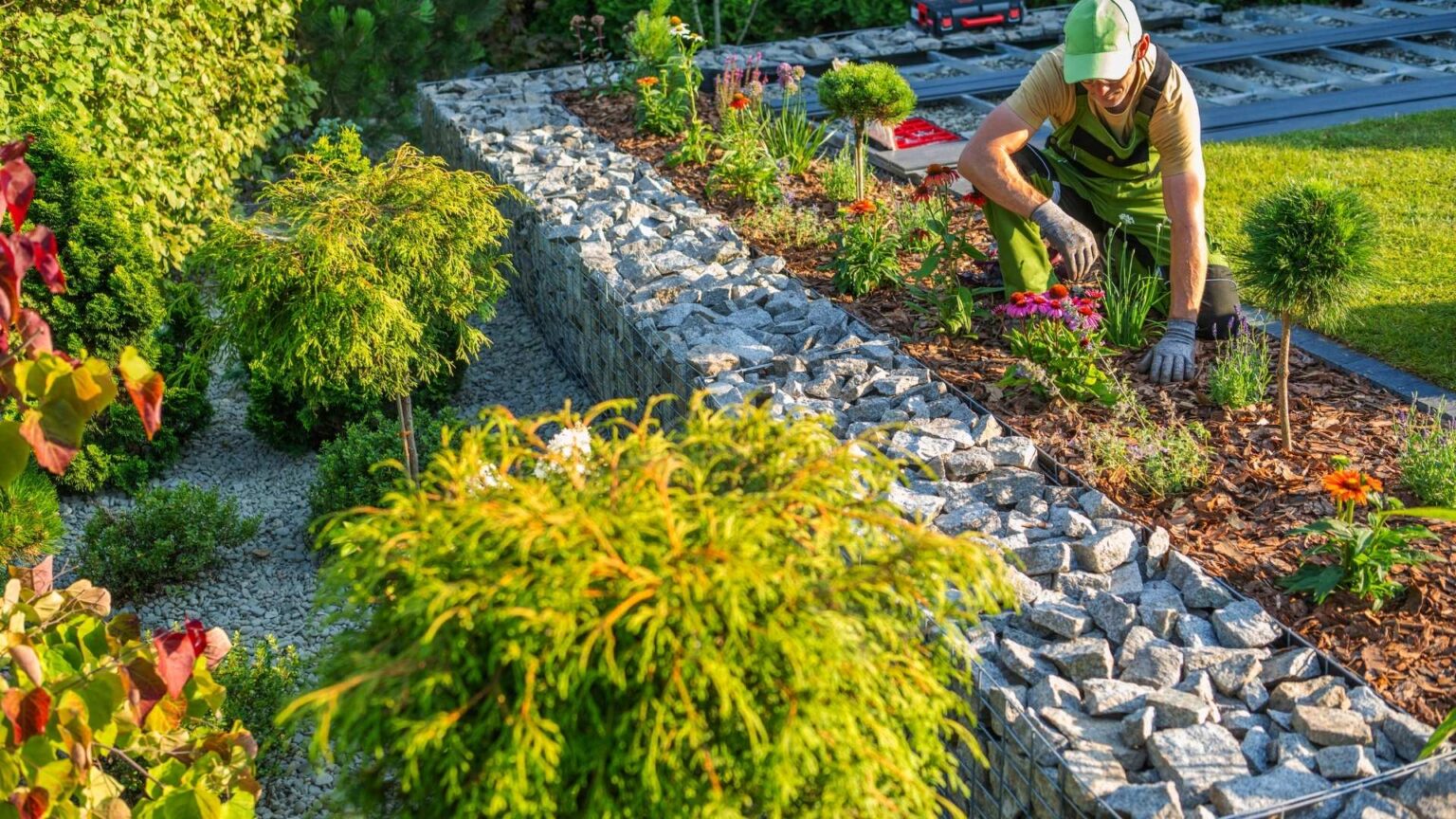
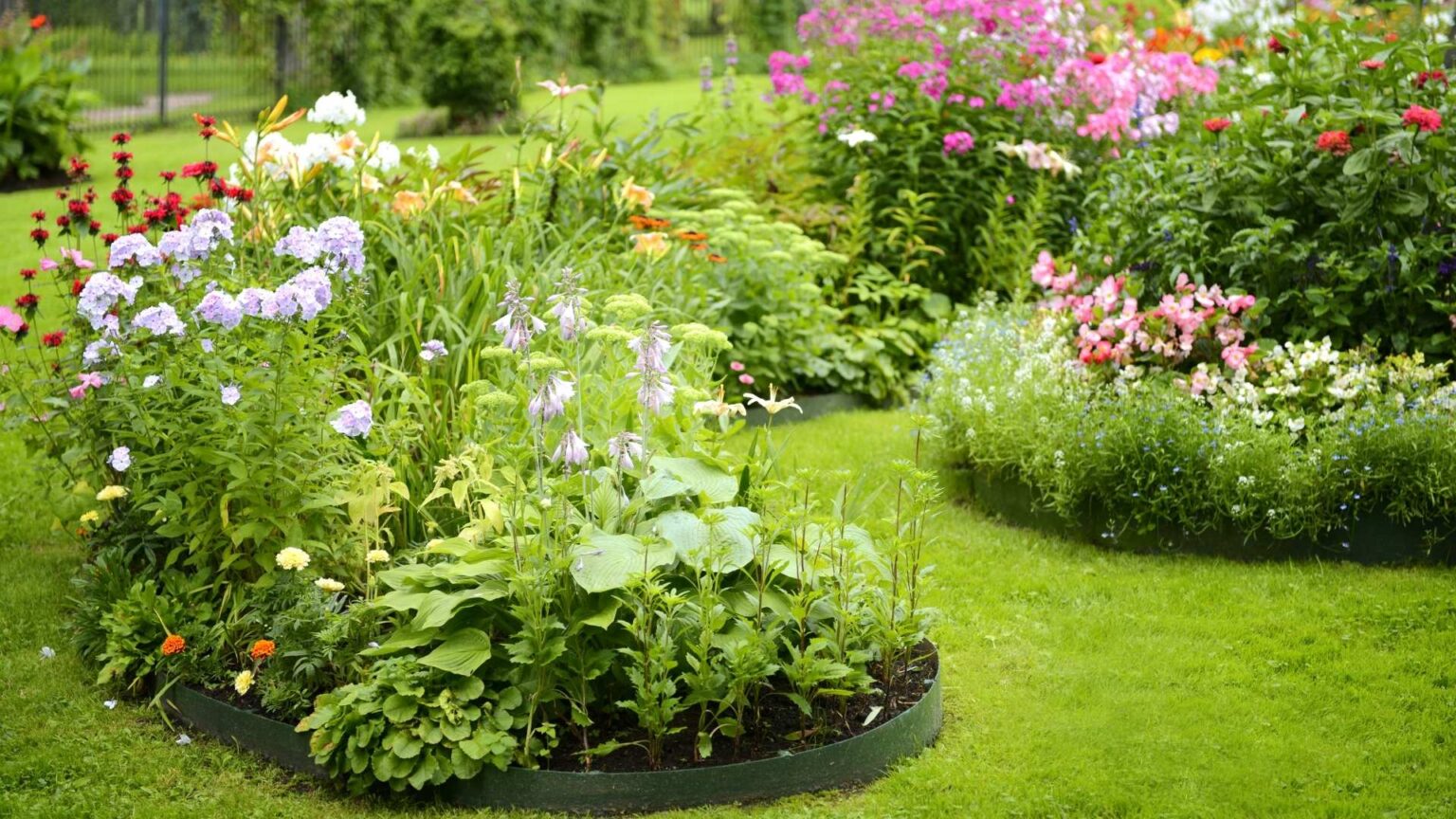
Garden bed installation builds a new planting area where lawn or bare ground sits now. The bed is laid out with a hose or paint line, cut to a clean edge, stripped of turf, dug 8 to 12 inches (20 to 30 cm) deep, and amended with compost before planting.
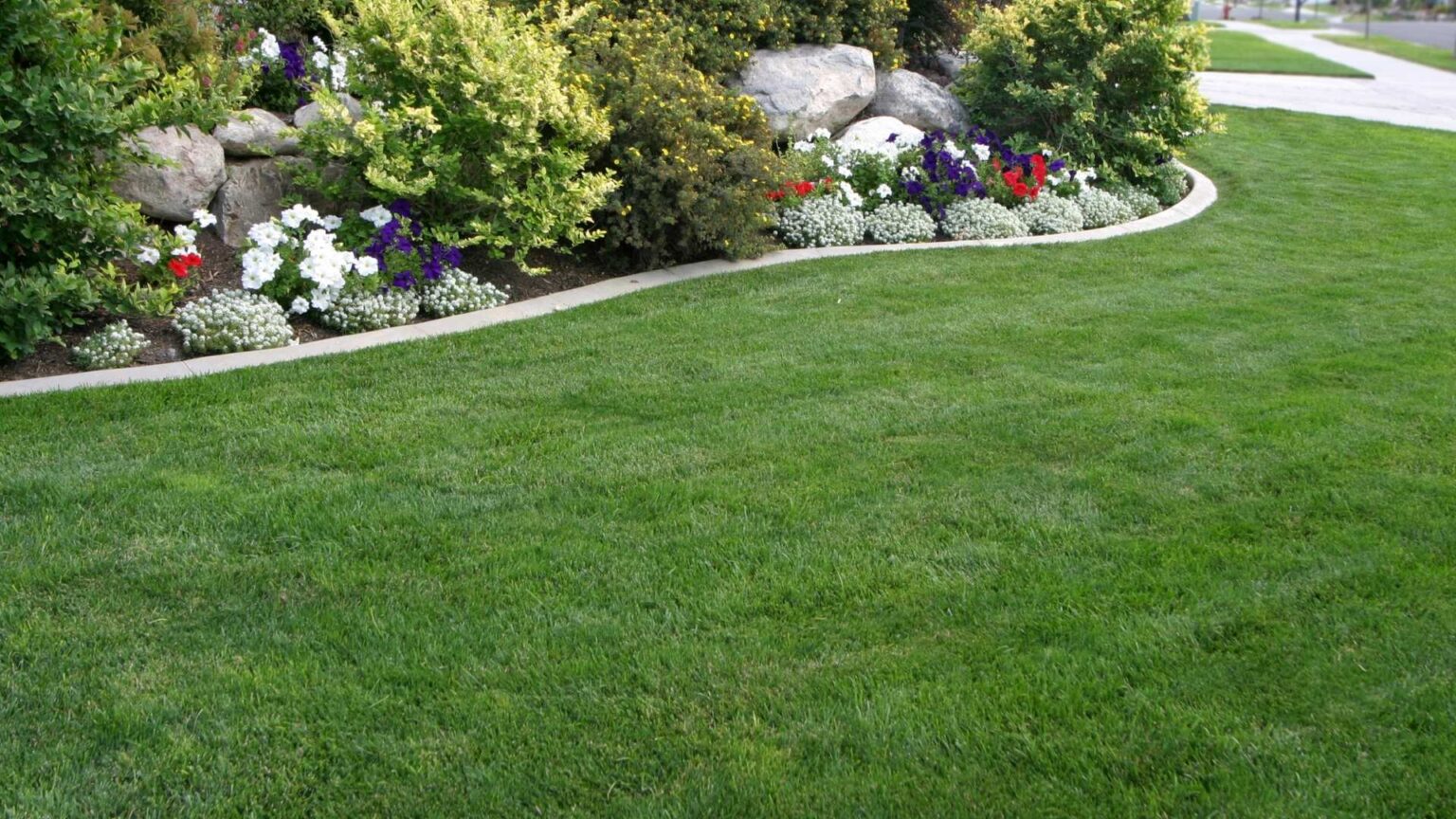
Bed shape matters more than plant count on a front yard. A bed that follows the house line and sweeps out at the corners reads as intentional. A narrow 2-foot (0.6 m) strip against the foundation does not, and it crowds shrubs against the siding within 3 years.
Foundation Planting
Foundation planting is the row of shrubs, perennials and ornamental grasses installed along the front and side walls of a house. Foundation planting covers the exposed block or brick at the base of the wall, frames the entry, and holds the front of the property together visually.
Set foundation plants by mature width, not the size in the pot. A shrub tagged at 4 feet (1.2 m) wide needs its center placed a minimum of 3 feet (0.9 m) off the wall, which leaves room for airflow, painting and window access. Boxwood, hydrangea, spirea, yew and dwarf conifers all hold up in foundation beds in Mount Prospect.
Privacy Hedge Installation
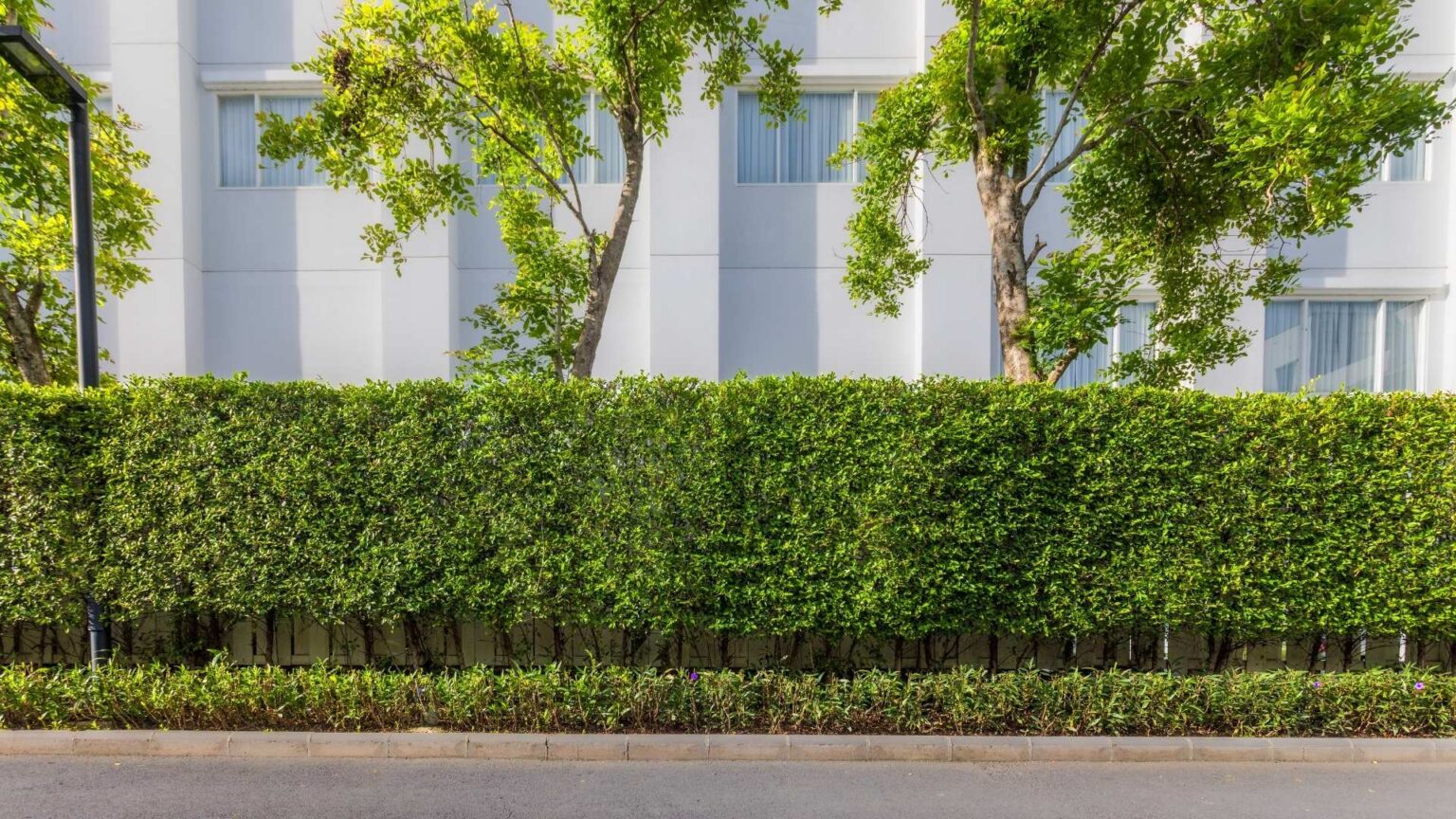
Privacy hedge installation puts a continuous line of evergreen or deciduous plants along a property line to block sightlines. A privacy hedge screens patios, pools, hot tubs and windows from neighboring yards. Spacing sets the outcome. Evergreens planted at 3 feet (0.9 m) on center close into a solid wall faster than the same plants at 6 feet (1.8 m), and a tighter line costs more in plant material up front.
Arborvitae Installation
Arborvitae is the most requested privacy plant in the Chicago metropolitan area. Two varieties cover most Mount Prospect installs:
- Emerald Green arborvitae grows 6 to 12 inches (15 to 30 cm) per year to a mature height of 12 to 15 feet (3.7 to 4.6 m) and a width of 3 to 4 feet (0.9 to 1.2 m). Plant at 3 feet (0.9 m) on center for a solid screen.
- Green Giant arborvitae grows up to 3 feet (0.9 m) per year and reaches 30 feet (9 m) or more. Plant at 5 to 6 feet (1.5 to 1.8 m) on center and give it room it will actually use.
Deer browse arborvitae through winter across the north and northwest suburbs. Where deer pressure is heavy, spruce, boxwood or a mixed screen holds up better than a straight arborvitae run.
Tree and Shrub Planting
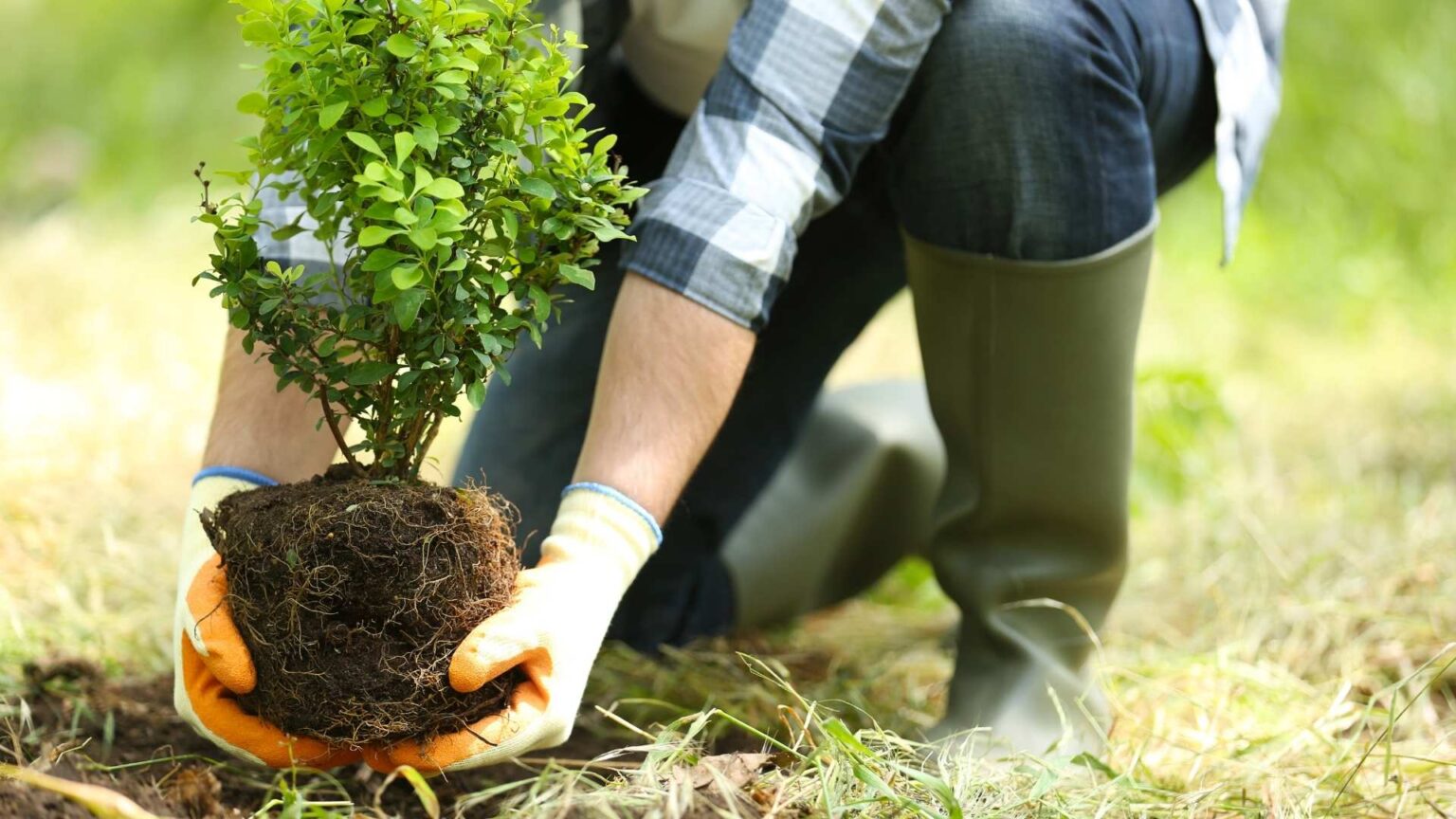
Tree and shrub planting sets the permanent structure of a landscape. Planting depth decides whether the plant lives. The root flare, the point where the trunk widens into the roots, sits level with or slightly above finished grade. Trees planted 3 to 4 inches (7.6 to 10 cm) too deep decline slowly over 5 to 8 years and the cause rarely gets diagnosed.
The planting hole is dug 2 to 3 times the width of the root ball and no deeper than the root ball itself. Container plants get their circling roots cut. Balled-and-burlapped stock gets the wire basket and burlap cut away from the top third of the ball after the tree is set and plumb.
Ornamental Grass and Perennial Planting
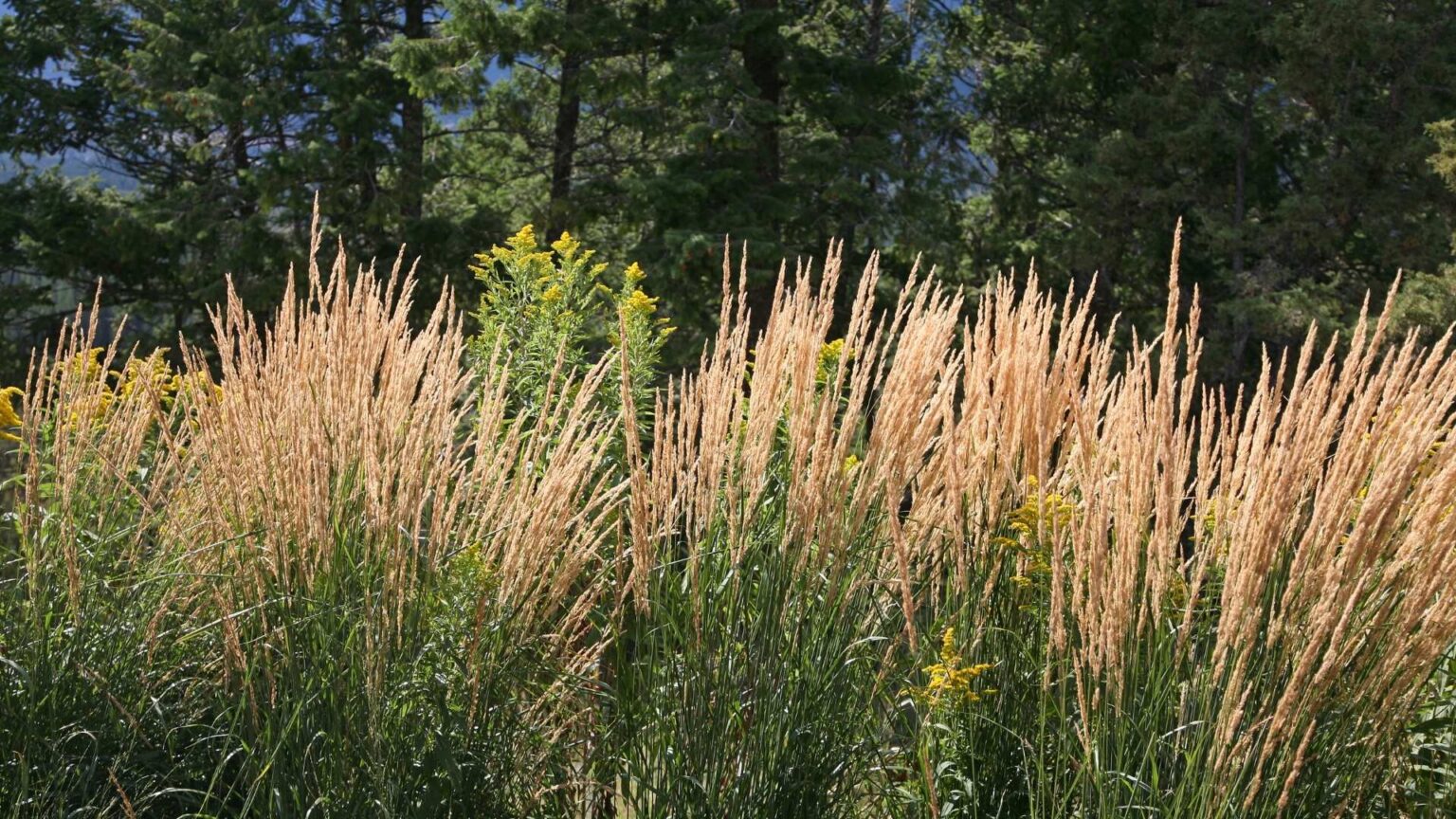
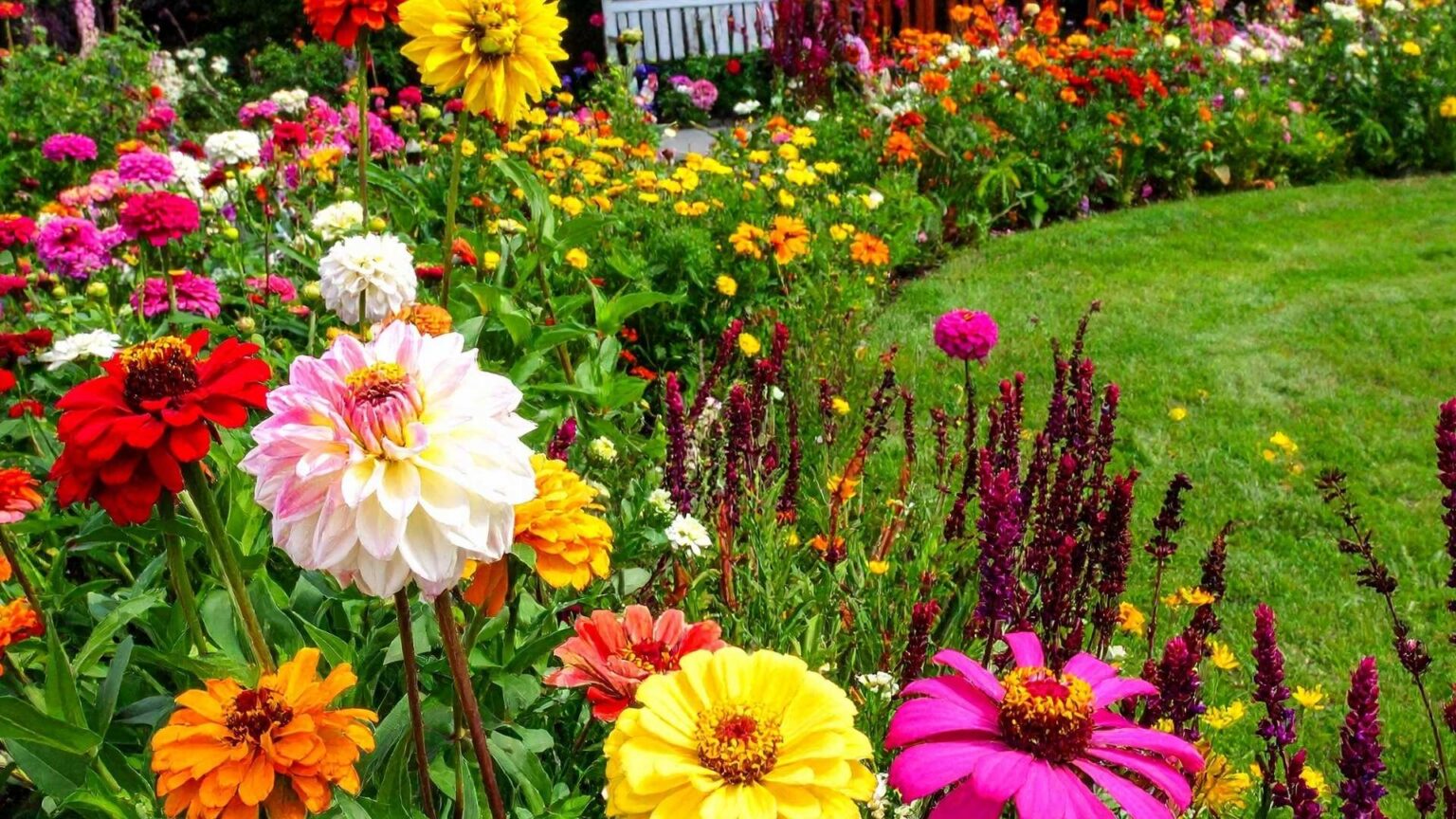
Ornamental grass and perennial planting fills the space between shrubs with color and movement through the growing season. Perennials return each spring from the same root system. Annuals are replanted every year and work best in containers and small accent pockets.
Native plants perform well in Mount Prospect clay once established. Little bluestem, prairie dropseed, switchgrass, purple coneflower and black-eyed Susan handle the local soil, full sun and winter cold with no special treatment. The University of Illinois Extension and its Master Gardener program publish plant lists for northeastern Illinois that hold up in real yards.
Perennials go in at 12 to 24 inches (30 to 61 cm) on center depending on mature spread. Ornamental grasses get cut back to 4 to 6 inches (10 to 15 cm) in late winter, not fall, so the foliage carries interest through the snow.
Landscape Bed Renovation
Landscape bed renovation rebuilds a planting bed that has outgrown its space. A bed reaches renovation when shrubs touch the siding, the edge has disappeared into the lawn, mulch has broken down into a compacted crust, or the original design no longer matches how the yard gets used.
Renovation runs in 5 steps: remove what has failed or outgrown the space, keep and prune what is worth saving, re-cut the bed line, work compost into the exhausted soil, and replant in a layout sized for mature growth. Renovation costs less than a full landscape makeover on the same footprint since the bed structure and part of the plant material stay in place.
Plant Replacement
Plant replacement swaps out dead, damaged or declining individual plants without rebuilding the bed. Winter kill, road salt spray along driveways and sidewalks, deer damage, storm breakage and root loss from grading work all put single plants out of a healthy row.
Replacement plants are matched to the existing planting for size and variety where the nursery stock allows. A hedge line with 2 dead plants in the middle needs the replacements set at the same spacing and depth as the survivors, or the gap stays visible for years.
Mulch and Planting Services
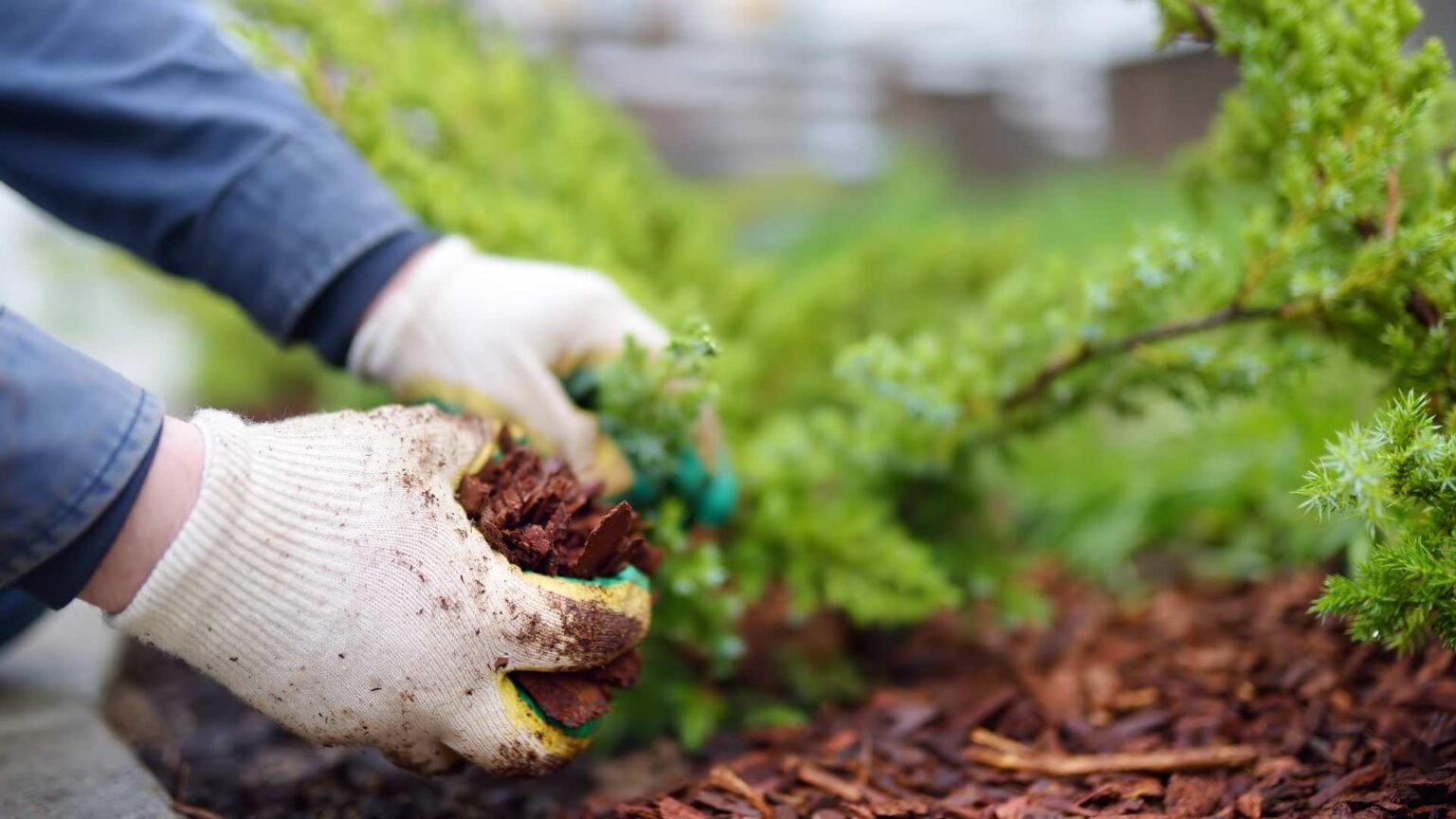
Mulch finishes every planting installation. Mulch holds soil moisture, moderates soil temperature through Illinois summers and winters, and keeps the bed line sharp.
Mulch depth runs 2 to 3 inches (5 to 7.6 cm). Deeper mulch holds too much water against the crown and suffocates roots in clay soil. Mulch gets pulled back 2 to 3 inches (5 to 7.6 cm) from trunks and stems on every plant. Mulch piled against a trunk rots the bark and kills the tree from the base up.
Shredded hardwood mulch stays in place on slopes better than bark chips. Beds get refreshed once a year, not re-mulched from scratch, which keeps total depth from creeping past 3 inches (7.6 cm) over time.
Plant Selection for Mount Prospect Conditions
Mount Prospect sits in USDA hardiness zone 5b to 6a, which sets the winter low a plant survives. Plants rated to zone 5 handle a Mount Prospect winter. Plants rated to zone 7 do not, whatever the tag at the big-box garden center says.
Three site conditions decide plant selection on a Mount Prospect property:
Soil. Cook County soils are clay-heavy and drain slowly. Compost worked into the planting bed opens the structure and gives roots somewhere to go.
Sunlight. Full sun means 6 or more hours of direct light. Part shade runs 3 to 6 hours. Full shade sits under 3. A hydrangea that browns out on a south wall performs on the north side of the same house.
Drainage. Low spots that hold water for 24 hours after rain kill most shrubs. Beds in those spots get raised, regraded, or planted with species that tolerate wet feet.
When to Plant in Mount Prospect
Spring and fall are the 2 planting windows in Mount Prospect. Spring planting runs from mid-April through June. Fall planting runs from mid-August through late October, ahead of ground freeze.
Fall is the stronger window for trees and shrubs. Soil stays warm while air temperatures drop, so roots establish without the plant supporting new top growth at the same time. Perennials and ornamental grasses go in through the full season with adequate water. The last spring frost lands around mid-May and the first fall frost around mid-October, which sets the outer edges for tender material.
Watering a New Planting
New plantings need water for a full growing season, not 2 weeks.
- Trees: 10 to 15 gallons (38 to 57 liters) per week for the first year.
- Shrubs: 3 to 5 gallons (11 to 19 liters) per week.
- Perennials and ornamental grasses: 1 inch (2.5 cm) of water per week including rainfall.
Water at the base, slowly, so it reaches the root ball instead of running across the mulch. Lawn irrigation does not water a new tree. A shrub that dies in July from a June install died of drought 9 times out of 10.
Plant Installation Service Area
A&N Outdoor Services provides plant installation in Mount Prospect and the surrounding northwest suburbs, including Arlington Heights, Prospect Heights, Wheeling, Buffalo Grove, Glenview and Park Ridge.
Testimonials
Client Success Stories
 Posted on Google
 Morris Lieberman
Trustindex verifies that the original source of the review is Google.
We never had a bad experience yet. Alex and Nikko have been very responsive and very easy to deal with.Posted on Google Jenny VitzileosI am beyond satisfied with the service I received from A&N! Boy, they went above and beyond what I thought they were going to do! So thorough even though I had a ridiculous amount of leaves and weeds. It was really difficult with the wind today yet they went back and did everything to make it as clean as possible. I gladly recommend A&N and plan on retaining them in the spring for regular service. One very happy customer 😊Posted on Google
 Gregory SuarezThe A&N team was great to work with from quote to completion of the job. They did quality work at a very reasonable price. I’d recommend them to anyone.Posted on Google
 John BahnickWe had A&N come by to do a fall cleanup. The crew that came by was very pleasant and did a great job.Posted on Google
 Jill OlligesDid a great job with our fall cleanup! Efficient and thorough. Will be using again!Posted on Google
 Andrew TFantastic group. Made my house look fantastic. This is my second season with them working on my yard and it's never looked betterPosted on Google
 Cynthia BalichArturo and Jerry were just here cleaning up all the leaves from what must have been the whole neighborhood covering our lawn and driveway. They were so quick and awesome and really friendly too. The lawn looks great and I didn't have to spend 5-10 business days raking it myself. Scheduling was great, and cost was very reasonable. Really happy with their services. I highly recommend.Posted on Google
 Eric BielatService was absolutely amazing. Will definitely use these guys every year for my fall cleanup!Verified by TrustindexTrustindex verified badge is the Universal Symbol of Trust. Only the greatest companies can get the verified badge who has a review score above 4.5, based on customer reviews over the past 12 months. Read more
Frequently Asked Questions
How much does plant installation cost in Mount Prospect?
Plant installation cost depends on 4 factors: bed size, plant material, plant size at install, and the amount of removal and soil work the site needs. A foundation planting refresh on a single bed sits at the low end. A full front yard with new bed construction, trees and edging sits at the high end. Every quote comes from a site visit, not a phone estimate.
Is fall a good time to plant trees and shrubs?
Yes, fall is the strongest planting window for trees and shrubs in Mount Prospect. Warm soil and cool air let roots establish through October with less water stress than a June install.
Do you install plants a homeowner buys?
Yes, A&N installs homeowner-supplied plants. Plants sourced through A&N come from wholesale nurseries, arrive in better condition than most retail stock, and carry a selection matched to the site.
Can plants go in over an existing lawn?
No, plants do not go directly into lawn. Turf competes with new roots for water and nutrients. The sod comes out and the bed gets prepared before anything is planted.
How long does a plant installation take?
Most residential plant installations finish in 1 to 3 days. A single foundation bed takes 1 day. A full front and side yard with bed construction, tree planting and edging takes 2 to 3.
What is the difference between plant installation and landscape design?
Plant installation is the physical work of putting plants in the ground. Landscape design is the plan that decides what goes where. A&N does both, and homeowners who arrive with a design from another firm get it installed as drawn.
Get a Plant Installation Quote in Mount Prospect
Plant installation covers garden bed installation, foundation planting, privacy hedge installation, tree and shrub planting, ornamental grass and perennial planting, landscape bed renovation, plant replacement, and mulch. A&N Outdoor Services builds these beds across Mount Prospect and the northwest suburbs, and holds a 5.0 rating on Google.
Call for a plant installation estimate, or send photos of the area and get a same-week site visit scheduled.


